Choosing the 2026 best Scissor Floor Jack requires more than comparing lifting capacity and price. Global buyers face different vehicles, climates, workshops, and safety standards. A compact jack may suit a city hatchback, yet struggle beneath a heavy electric SUV. That difference matters.
S&P Global Mobility reported that the average U.S. light vehicle reached 12.6 years in 2024. ACEA’s Vehicles on European Roads report placed Europe’s average car age at about 12.5 years. Older vehicles often need roadside repairs, seasonal tire changes, and rust-resistant equipment. These figures support continued demand for practical lifting tools. However, they do not prove that every Scissor Floor Jack is suitable for every vehicle.
John Ibbotson, chief mechanic at Consumer Reports, has emphasized: “Never work under a car supported only by a jack.” That warning should guide every buying decision. Look for a clearly marked safe working load, stable feet, a secure saddle, smooth screw action, and compatibility with the vehicle’s lifting points. Check whether the product meets recognized safety requirements in its target market. A low price can hide thin steel, poor threads, or confusing instructions. I have seen small design details become major problems on uneven concrete. Sometimes, the “best” jack is simply the one that fits correctly and gets stored properly.
This guide compares leading 2026 options through capacity, portability, durability, usability, and documented safety information. Some conclusions remain imperfect because manufacturer testing is not always comparable. Buyers should verify specifications before purchase. A careful decision beats a dramatic lift.
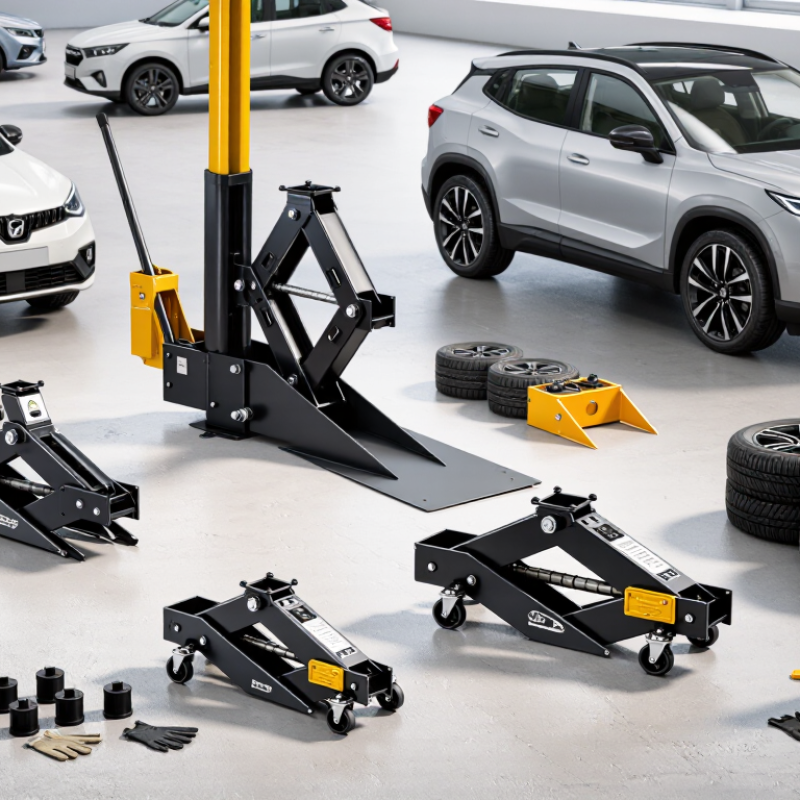
2026 Best Scissor Floor Jack for Global Buyers?
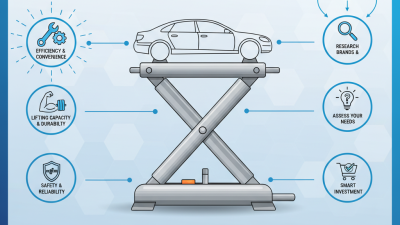
A scissor floor jack is a compact lifting tool with crossed metal arms. Turning its screw raises a vehicle through a small saddle. Unlike workshop lifts, it folds into a trunk and needs no electricity. Its main purpose is temporary lifting during tire changes, roadside inspections, and basic wheel service.
Keep the vehicle on firm, level ground. Engage the parking brake and follow the vehicle maker’s lifting points. A rated jack should match or exceed the vehicle’s required lifting capacity. Never work beneath a vehicle supported only by a jack. Use properly rated stands for underbody access. Simple, but often forgotten.
Applications differ across regions and vehicle types. Passenger cars benefit from its light weight and low storage demand. Small repair teams may carry one for emergency tire work. Electric vehicles require extra care because battery housings can sit near lifting areas. Check clearance before turning the handle. A few millimeters matter.
For global buyers, inspect load ratings, corrosion protection, handle strength, and spare-part availability. Metric and imperial markings may cause confusion. Read the instructions carefully. A wider base usually improves stability, but it may not fit every roadside surface. My practical concern is repeated use: a jack that feels smooth on day one may develop play later. Regular inspection should include the screw, saddle, frame, and locking points. Do not ignore small bends or damaged threads.
2026 Best Scissor Floor Jack for Global Buyers?
Choosing the best scissor floor jack starts with your vehicle, not its appearance. Check the owner’s manual for the correct lifting points and minimum clearance. Measure the gap beneath the vehicle before ordering. A jack that cannot fit underneath is useless, even with a high load rating.
Look for a rated capacity above your vehicle’s total weight, with a clear safety margin. The saddle should match the vehicle’s reinforced lifting point and resist slipping. A wide steel base helps on smooth concrete, but loose gravel remains risky. Inspect the screw, handle, and welds for rough edges or uneven movement. Simple parts are easier to repair.
Think about global use, too. Confirm metric measurements, readable instructions, and packaging that protects the screw from moisture. Check whether replacement handles or compatible parts are available in your region. Certification marks can support quality checks, but they should not replace careful inspection. I once valued compact storage more than handle comfort; that choice became annoying during a cold roadside repair. Small details matter.
Never work beneath a vehicle supported only by a jack. Use wheel chocks, a level surface, and properly rated support stands. The jack should lift steadily without sudden drops or excessive bending. Test it with a light load first. Then review the fit again. A stronger model is not automatically the safer choice.
A dependable scissor floor jack begins with the correct lifting capacity. Check the vehicle’s actual weight, then choose a jack with a useful safety margin. A compact passenger car may need less capacity than a heavy crossover or utility vehicle. Never judge capacity by appearance alone. The frame can look strong and still flex under uneven loading.
Height range matters just as much. Measure the vehicle’s ground clearance before buying. The jack’s lowest height should slide beneath the approved lifting point without forcing the body upward. Its maximum height must reach the chassis safely, while leaving room for a support stand. In a workshop check, a jack that rises smoothly feels more trustworthy than one with impressive numbers but limited travel. Small differences matter.
Stability depends on the base, saddle, frame, and floor condition. A broad base helps on clean, hard pavement, but it cannot correct soft gravel or a sloped surface. Look for a saddle that fits the vehicle’s lifting point securely. Check for twisting during the final lift. This is where specifications become real. My own preference is cautious: extra capacity is useful, but excessive weight can make storage and handling difficult. No jack is perfect. Read the load chart, inspect the welds, and follow the vehicle manufacturer’s lifting instructions every time.
2026 Best Scissor Floor Jack for Global Buyers?
A dependable scissor floor jack should feel stable before it lifts any vehicle. Check its rated capacity, locking mechanism, and base width carefully. A broad base reduces movement on clean, hard ground. Some models include a safety stop or mechanical lock, which adds protection during extended work. Never rely on hydraulic pressure alone. Small details matter.
Durability depends on steel quality, weld consistency, and corrosion protection. In humid or coastal regions, exposed threads may rust faster than expected. A compact design helps with trunk storage, but very small frames can feel less stable. Portability is useful when weight stays manageable. I have found that a smooth handle saves effort, especially beside a roadside tire change. Still, no jack is perfect. Check the vehicle’s lifting points, because poor positioning can defeat good equipment.
Tips: Inspect the screw, saddle, and base before every use. Keep the lifting thread clean and lightly lubricated, following the service instructions. Store the jack dry, preferably inside a protective case. Avoid loose gravel, slopes, and improvised blocks. Replace damaged parts instead of forcing the mechanism. For international buyers, confirm capacity markings, spare-part access, and instructions in a familiar language. Maintenance is simple, but often forgotten.
| Evaluation Dimension | Compact 1.5-Tonne Type | Standard 2-Tonne Type | Heavy-Duty 3-Tonne Type | What Global Buyers Should Check |
|---|---|---|---|---|
| Rated lifting capacity | 1,500 kg maximum | 2,000 kg maximum | 3,000 kg maximum | The jack rating must meet or exceed the vehicle manufacturer’s specified lifting requirement. Never use the maximum rating as a substitute for a safety margin. |
| Typical minimum height | Approximately 90–110 mm | Approximately 105–125 mm | Approximately 120–150 mm | Measure the vehicle’s approved lifting point before purchase. A low-profile design is important for sports cars and vehicles with limited ground clearance. |
| Typical maximum height | Approximately 350–390 mm | Approximately 400–450 mm | Approximately 450–520 mm | Confirm that the maximum height provides sufficient clearance for the intended wheel, tire, or suspension service without exceeding the vehicle’s approved lift point. |
| Recommended use | Emergency roadside tire changes and compact cars | Passenger cars, crossovers, and light vans within the rated limit | Larger vehicles and frequent workshop use within the rated limit | A scissor jack is intended for lifting, not for supporting a vehicle during work underneath it. Use correctly rated axle stands after lifting. |
| Frame and screw durability | Stamped or formed steel frame; corrosion-resistant screw coating preferred | Reinforced steel arms and hardened or rolled lifting screw preferred | Thicker steel arms, wider base, and higher-load screw assembly | Look for even welds, straight arms, a smooth screw thread, rust protection, and no visible deformation around pivot holes. |
| Base stability | Compact base; best on firm, level pavement | Wider steel base for improved resistance to tipping | Widest and heaviest base in this comparison | Do not use on soft soil, loose gravel, steep slopes, or uneven surfaces. A larger base improves stability but does not correct poor placement. |
| Safety features | Positive-stop or travel-limit feature; non-slip saddle recommended | Non-slip saddle, stable base, controlled screw movement, and visible capacity marking | Reinforced saddle, mechanical travel limit, wide base, and high-visibility warning labels | Check for a secure saddle, legible warning labels, overload protection where provided, and compliance documentation for the destination market. |
| Portability | Usually about 3–5 kg; easiest to store in a vehicle | Usually about 5–8 kg; suitable for a trunk or service compartment | Usually about 8–14 kg; more difficult to carry but more stable | Compare folded dimensions, handle design, storage case quality, and the weight of the operating tool included with the jack. |
| Operating effort | Higher effort near the top of the rated load | Moderate effort when the screw is clean and lubricated | Highest effort and slower operation under heavy loads | A longer handle can reduce effort, but the operator should stop if the screw binds, bends, or requires abnormal force. |
| Corrosion resistance | Painted or plated steel; vulnerable to road salt if neglected | Protective coating with better suitability for regular outdoor use | Heavier coating and larger components, but still requires dry storage | Inspect the screw, pivot pins, welds, and underside after exposure to water, salt, mud, or coastal air. |
| Routine maintenance | Clean and lightly lubricate the screw; inspect before every use | Clean threads and pivots; lubricate according to the manual; check fasteners | Frequent inspection of the screw, arms, pins, saddle, and base is required | Never modify the frame, weld cracked parts, use excessive leverage, or apply lubricant that attracts abrasive dirt to the load-bearing thread. |
| Inspection points | Bent arms, damaged thread, missing handle, loose saddle | Cracked welds, distorted pivots, thread wear, corrosion, and unstable base | Any deformation, permanent settling, excessive play, cracked weld, or damaged load-bearing component | Remove the jack from service immediately if it slips, binds, leaks lubricant excessively, or shows structural damage. |
| Standards and documentation | Capacity label and operating instructions required | Operating manual, safety warnings, rated capacity, and traceable test information preferred | Full technical file, inspection instructions, and destination-market conformity documents recommended | Verify applicable requirements such as EN 1494 for mobile or movable jacks, ASME PASE requirements where applicable, and local import rules. |
| Best buyer profile | Drivers prioritizing low weight and emergency storage | Most balanced choice for general passenger-vehicle use | Users prioritizing capacity and stability over minimum weight | Select based on vehicle compatibility, lifting-point dimensions, working environment, and verified safety documentation—not capacity alone. |
Choosing the best scissor floor jack in 2026 requires more than checking its lifting capacity. Materials affect safety, weight, and service life. Hardened steel frames usually resist twisting under load. A corrosion-resistant finish matters in humid ports or unheated garages. Wide, textured feet can improve stability on ordinary workshop floors. Still, a lighter jack is not always better. I have found that thin handles may feel convenient but can bend during repeated use.
Certifications deserve careful checking. Look for documented compliance with recognized lifting-equipment standards, not vague “tested” claims. The label should show capacity, manufacturer details, inspection information, and operating limits. Buyers should request current certificates and verify whether they apply to the exact model.
Certification does not replace safe vehicle support. A jack lifts; approved stands hold. That distinction is easy to forget.
Prices vary with steel grade, production volume, packaging, and shipping distance. A low factory price may become expensive after freight, duties, insurance, or replacement-part delays. International buyers should confirm stock, delivery terms, voltage requirements for powered accessories, and local service support.
Ask for spare pins, saddle pads, and repair instructions. Tips: Compare landed cost, not unit price. Test the release mechanism before installation. Keep records of certificates and batch numbers.
I would also inspect welds and coating personally, because online photographs can hide uneven finishing. That extra check may feel excessive, but it can prevent a costly mistake.