Top Tips for Car Alignment and Balancing in China?
Maintaining your vehicle’s performance is essential. Proper car alignment and balancing are crucial for a smooth ride. These processes help ensure your tires wear evenly and improve fuel efficiency. In China, where driving conditions can vary greatly, understanding these concepts is vital.
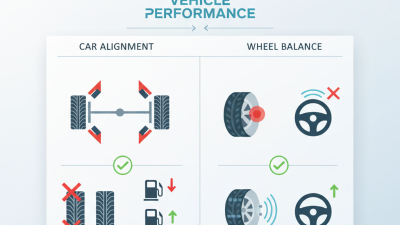
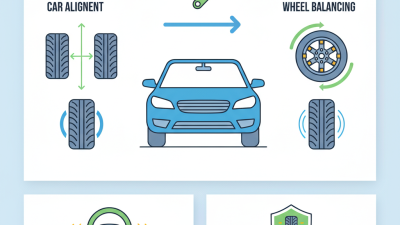
Car alignment and balancing may seem straightforward, but many overlook their importance. Misalignment can cause uneven tire wear, leading to costly replacements. Balancing ensures your tires spin without excessive vibration. Both contribute to a safer driving experience.
Seeking professional services for car alignment and balancing is a wise decision. It’s not just about comfort; it’s about safety. Neglecting these aspects can lead to serious issues. Make informed choices and consider regular checks to maintain your vehicle’s health. Reflect on your driving habits and vehicle maintenance schedule to enhance durability and performance.
Importance of Correct Car Alignment and Balancing
Proper car alignment and balancing are essential for maintaining vehicle safety and performance. Misalignment can lead to uneven tire wear, reduced fuel efficiency, and compromised handling. In China, the importance of addressing these issues cannot be overstated. Drivers should pay attention to how their vehicle responds to steering input. If the car drifts or pulls to one side, it may signal alignment problems.
Regular inspections can catch these issues early. Checking toe, camber, and caster angles helps ensure optimal tire contact with the road. Drivers should also consider monitoring tire pressure regularly, as improper inflation can mask alignment issues. If you notice vibrations or uneven tire wear, consult a professional for a thorough assessment.
Getting your vehicle aligned and balanced not only enhances comfort but also improves your car’s longevity. Keeping track of service records may help identify patterns in vehicle maintenance. A little care goes a long way. Being proactive can save time and money, preventing costly repairs down the road. Regular maintenance fosters a reliable driving experience.
Common Symptoms of Misalignment and Imbalance in Vehicles
Misalignment and imbalance in vehicles can lead to various issues. One common symptom is uneven tire wear. When tires wear out more quickly on one side, it indicates a need for alignment. According to a recent industry report, nearly 30% of vehicles experience such tire wear due to misalignment. This not only shortens tire life but also raises safety concerns.
Another sign of misalignment is a steering wheel that is off-center. Drivers may notice that their vehicle drifts to one side. This misalignment can result in poor handling. Furthermore, a vehicle that vibrates at higher speeds signals an imbalance. Industry experts warn that ignoring these symptoms can lead to costly repairs. Regular checks can prevent serious mechanical issues and enhance driving comfort.
Handling issues should not be dismissed lightly. A study found that improper alignment contributes to over 50% of tire-related accidents. Drivers should be proactive in addressing any unusual behavior from their vehicles. Adjustments may be overlooked in routine maintenance. Investing time in alignment and balancing can preserve vehicle performance and prolong tire life.
Step-by-Step Guide to Checking Wheel Alignment
Checking wheel alignment is essential for vehicle safety and performance. Improper alignment can lead to uneven tire wear, reduced fuel efficiency, and compromised handling. According to a report by the Tire Industry Association, about 75% of vehicles on the road experience some misalignment. Regular checks can prevent costly repairs down the line.
To start, park your car on a flat surface. Make sure your tires are properly inflated. Next, take a measuring tape and check the distance between the front and back of the tires on the same axle. The measurements should be equal. If they differ significantly, your wheels may be misaligned. You can also check the steering wheel. If it’s off-center while driving straight, it might indicate alignment issues.
Using a professional alignment machine can provide more detailed results. This high-tech equipment measures angles precisely, helping to pinpoint specific issues. Data from the Automotive Service Association indicates that a proper alignment can improve fuel efficiency by up to 10%. However, don’t ignore minor deviations. They can lead to more significant issues over time. Regular inspections should be part of your vehicle maintenance routine.
Wheel Alignment and Balancing Metrics in China
Methods for Achieving Proper Wheel Balancing
When it comes to wheel balancing, understanding the basics is crucial. Proper wheel balancing ensures your vehicle handles well and promotes tire longevity. An unbalanced wheel can lead to vibrations, uneven tire wear, and potential steering issues. Many drivers overlook this, but it can significantly impact driving safety and comfort.
To achieve proper wheel balancing, start by regularly checking your tire pressure. Properly inflated tires make balancing easier and ensure even wear. If you notice any vibrations, take action immediately. Ignoring these signs can lead to more significant issues. It's also important to rotate your tires every 5,000 to 7,000 kilometers. This practice helps achieve uniform wear, aiding in more accurate balancing.
Consider having your wheels balanced after new tire installation or if you've hit a pothole. Using a professional service will ensure the right methods are applied. Balancing involves placing weights on the rim to counteract imbalances. Many technicians use advanced equipment to pinpoint issues. A common mistake is assuming balancing is a one-time task. Regular check-ups can prevent problems before they escalate. Pay attention to your vehicle's performance to maintain its health.
Recommended Maintenance Schedule for Alignment and Balancing
Maintaining proper car alignment and balancing is crucial for safe driving. In China, many drivers overlook the importance of these services, often waiting until they notice uneven tire wear or handling issues. Regular checks can help prevent more significant problems down the road.
A recommended maintenance schedule suggests checking alignment and balancing every 10,000 kilometers. This frequency helps catch problems early, especially after hitting a pothole or curbing the wheel. Drivers should also consider checking these aspects when changing tires or after a suspension repair. Consistent examination supports a smooth ride and extends tire life.
Moreover, drivers should be aware of signs that indicate misalignment, such as the vehicle pulling to one side or a steering wheel that isn’t centered. Such symptoms might not seem severe at first but can lead to increased tire wear and discomfort. Regular trips to a certified mechanic can ensure your vehicle operates as it should. Trusting experts with your car's alignment and balancing is an investment in its longevity.