How to Choose the Best Car Tire Changers for Your Business?
Choosing the right Car Tire Changers for your business is crucial for operational efficiency. The tire service industry is evolving, and staying informed is essential. According to the "Tire Industry Association," the market for tire changers is projected to grow by 4.5% annually. This shows the increasing demand for quality equipment in auto service shops.
Expert Tom Collins, a veteran in the automotive equipment field, emphasizes, "The right tire changer can significantly enhance productivity." His insights underline the importance of investing in reliable machines. Tire changers vary in features like speed and ease of use, affecting both service time and customer satisfaction.
Navigating the options can be overwhelming. Many products claim to be the best, yet performance can fall short. It's vital to consider not just price but also the durability and features that match your business needs. Understanding these factors helps in making a well-informed choice about Car Tire Changers.
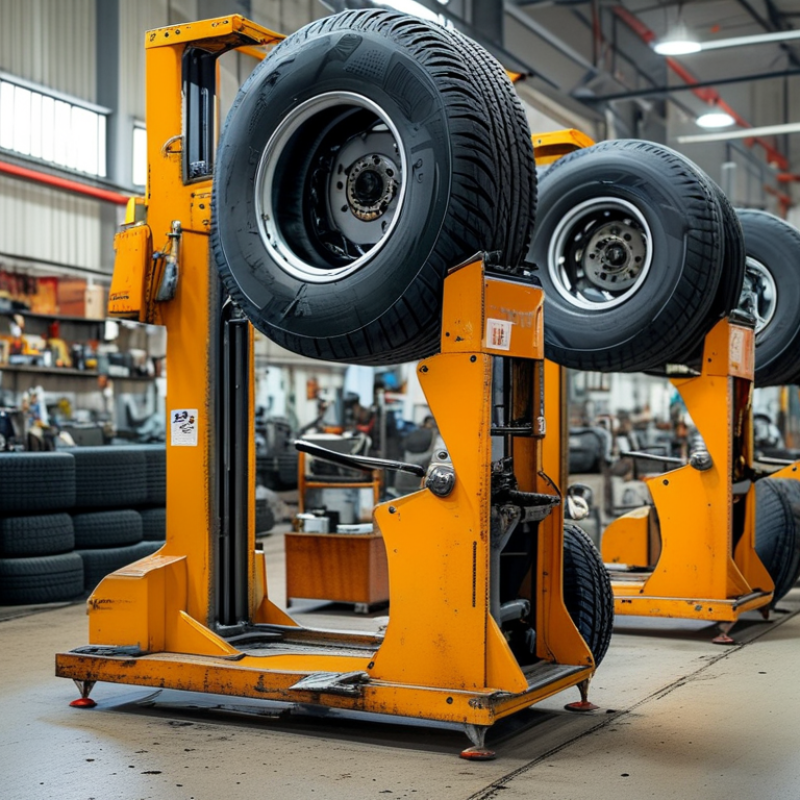
Understanding the Types of Car Tire Changers Available in the Market
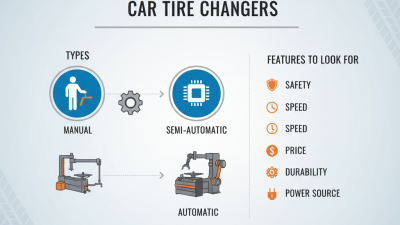
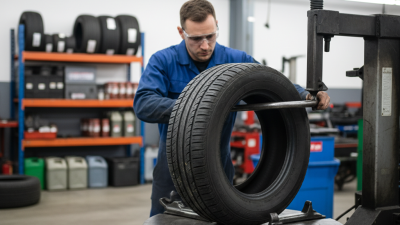
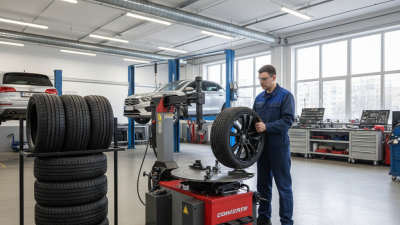
When exploring the types of car tire changers available, it’s vital to understand their diverse functionalities. There are manual tire changers, which require physical effort, making them ideal for small shops. They offer simplicity, but the labor involved can delay service. On the other hand, automatic models can handle larger volumes efficiently. They may require a higher investment upfront, but the time saved is often worth it for busy businesses.
Consider the features each type provides. Some changers come with built-in wheel balancers, which can enhance service quality. Others may include a tilt-back design for easier wheel access. Each feature contributes to speed and efficiency. However, it is essential to assess whether these features truly meet your shop's needs. Overloading with equipment can lead to unnecessary costs and maintenance issues down the line. Choosing wisely based on your specific context is crucial.
Evaluating Key Features to Look for in Tire Change Equipment
When evaluating tire changers for your business, several key features deserve attention. The size and type of tires you handle greatly impact your choice. Some machines operate best with smaller tires, while others are designed for larger, heavier ones. Taking the time to analyze your inventory can guide you toward the right tool.
Another critical feature is the speed of operation. A faster tire changer can significantly improve productivity. However, speed shouldn't come at the expense of safety. Machines with safety features minimize risks during operation. It’s essential to balance efficiency and reliability when making a choice.
Consider the ease of maintenance, as well. Frequent use leads to wear and tear. A model that allows for easy access to components can save time and money in the long run. Reflecting on your service capacity can highlight the most practical options. Experience suggests that investing in quality often prevents future headaches.
Assessing the Compatibility of Tire Changers with Various Vehicle Types
When selecting tire changers for a business, compatibility with various vehicle types is paramount. According to a recent industry report, around 80% of tire service shops encounter diverse vehicle models daily. This diversity dictates the necessity for tire changers that accommodate different wheel sizes and types. A versatile tire changer reduces downtime and enhances service efficiency.
Consider the height and diameter of tires. Larger vehicles, such as SUVs and trucks, often require specialized machines. Research shows that 60% of tire changers can handle regular passenger vehicles, but struggle with larger tires. Many businesses overlook this factor, risking damage to equipment and vehicles. Therefore, investing in models with adjustable arms and wider clamping ranges is essential.
Moreover, the technology within tire changers impacts compatibility. Some advanced machines offer features like automatic tire inflators, which can improve accuracy and efficiency. Yet, many professionals find these machines overly complex. Balancing tech capability with user-friendliness is crucial. Regular training for staff can resolve potential operational issues and reflect well on service quality in the long run. It is vital to weigh these factors carefully to ensure optimal functionality and customer satisfaction.
Comparing Price Points and Budget Considerations for Tire Changers
When selecting car tire changers for your business, budget plays a crucial role. Price points for tire changers vary significantly. Entry-level machines can cost around $1,000, while premium models may exceed $10,000. According to industry reports, many shops find themselves in the mid-range, typically spending between $3,000 and $6,000. This range often balances quality and affordability, ensuring durability and functionality.
Evaluating long-term costs is just as important as initial investments. Consider maintenance and repair costs over time. Data indicates that businesses can spend up to $500 annually on upkeep. While cheaper machines might save money upfront, their reliability often comes into question. The total cost of ownership should guide your decision-making process. Think about how long you plan to use the machine. More expensive models may offer better warranties and support, reducing long-term risks.
Furthermore, the technology in tire changers continues to evolve. Features like automatic bead breaking and ergonomic designs improve efficiency. Shops that invest in advanced models report up to 30% more productivity. However, these upgrades come at a premium price. Balancing initial budgets against future gains requires careful evaluation. To make the best choice, rely on industry data and cost analysis.
Researching Brand Reputation and Customer Reviews in Tire Changer Selection
When selecting a tire changer, brand reputation plays a critical role. Researching well-known brands can reveal insights into their reliability. Customer reviews can provide a glimpse into real-world performance. Look for feedback on ease of use and durability. High ratings often reflect a positive user experience.
Many reviews share stories of both satisfaction and disappointment. Some users praise efficient operation, while others report difficulties. It's essential to weigh these perspectives. Analyze common concerns, such as maintenance issues or customer service quality. This can help in making informed decisions that impact your business.
Consider engaging with online forums or industry groups as well. Experienced technicians often share valuable tips. Their insights can point you toward trustworthy brands and models. By listening to their stories, you gain a deeper understanding of your options. A well-informed choice can lead to better service offerings in your shop.
How to Choose the Best Car Tire Changers for Your Business?
| Feature |
Importance |
Rating (1-5) |
Customer Feedback |
| Ease of Use |
High |
4.5 |
User-friendly and intuitive controls. |
| Durability |
High |
4.7 |
Robust build, withstands heavy use. |
| Speed |
Medium |
4.0 |
Quicker tire changes than previous models. |
| Customer Support |
High |
4.8 |
Responsive and helpful service team. |
| Warranty |
Medium |
4.2 |
Reasonable coverage; adequate for most users. |