How to Choose the Best Car Washing Scissor Lift for Your Needs?
Choosing the right Car Washing Scissor Lift is crucial for any car wash business or DIY enthusiast. A sturdy and reliable lift can significantly enhance your efficiency. It allows you to reach tight spots under vehicles with ease. However, with so many options available, finding the best one can be overwhelming.
Consider the weight capacity of the lift. Not all lifts can handle heavy vehicles. Additionally, safety features are paramount. Look for lifts with reliable locking mechanisms and stability features. The lift's height range is also vital, as it determines how well you can access different car models.
Reflect on your specific needs. Are you washing standard vehicles or larger trucks? A lift that works well for small cars might not suit SUVs. Take the time to research and compare different models before making a decision. Don't rush; a hasty choice could lead to problems down the line. The perfect Car Washing Scissor Lift should meet your requirements and fit your budget.
Understanding the Different Types of Car Washing Scissor Lifts Available
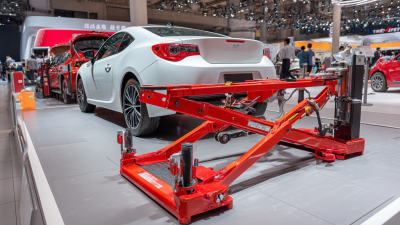
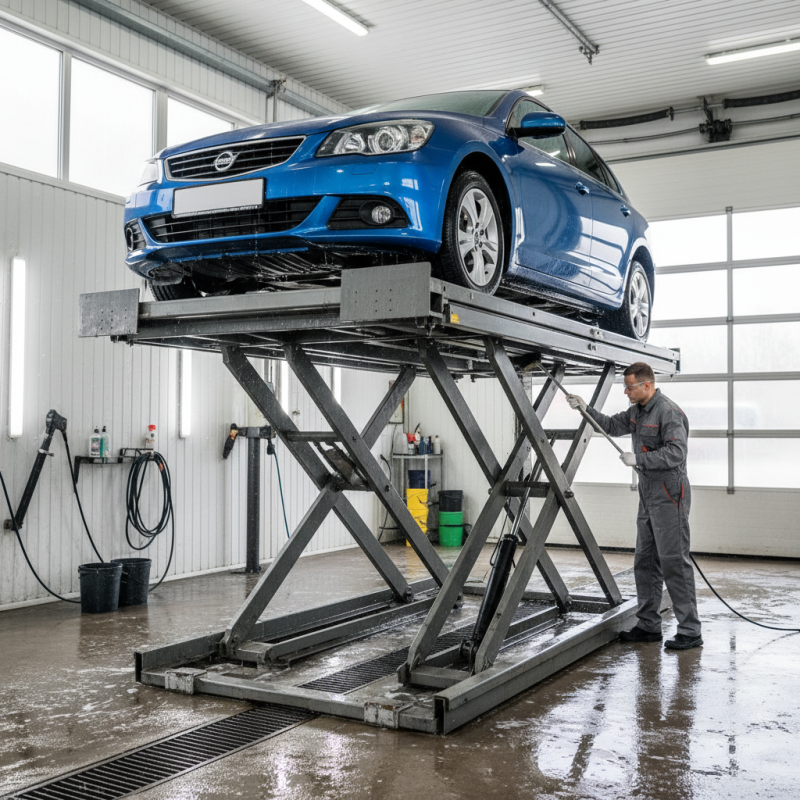
When selecting a car washing scissor lift, understanding the different types is crucial. There are four main types: portable, fixed, mobile, and self-service. Portable lifts are favored for their flexibility and ease of transport. They allow washers to maneuver around various locations with minimal hassle. On the other hand, fixed scissor lifts provide stability and are generally more robust, ideal for high-volume service stations.
The mobile variant offers a balance between the two. Often adjusted for height, they cater to different vehicle types. Self-service lifts encourage customer participation. In a survey conducted by the National Car Wash Association, 62% of car wash owners noted that self-service options increased operational efficiency.
Height capacity is also vital. Most lifts range from 9 to 18 feet. Be mindful; choosing one solely based on capacity is not enough. The design and build quality matter. For instance, a poorly constructed lift could lead to accidents or damage over time. Many reports indicate that lifts with inadequate safety features have a higher incident rate. Therefore, research and practical experience are required for better decisions.
Key Specifications to Consider When Selecting a Scissor Lift
When selecting a scissor lift for car washing, key specifications matter. First, consider the lift capacity. A higher capacity can accommodate larger vehicles, ensuring safety and stability. Next, check the lift height. It's crucial for reaching different areas of a car without straining. Look for models that offer enough height to make the job easier.
Portability is another essential factor. Some lifts are heavy and cumbersome, making them difficult to move. A lightweight model can save time and effort. The overall design should also enhance user experience. Features like safety locks and easy-to-use controls are vital. These elements contribute to safer operations.
Don't ignore maintenance requirements. Some lifts may need frequent servicing, which could add to costs. Assess the reliability of various models. Read reviews and seek feedback from users. It’s essential to ensure your choice aligns with your specific needs. Ultimately, take your time and weigh all options before making a final decision.
How to Choose the Best Car Washing Scissor Lift for Your Needs? - Key Specifications to Consider When Selecting a Scissor Lift
| Specification |
Details |
| Load Capacity |
6600 lbs (3000 kg) |
| Lift Height |
72 inches (183 cm) |
| Platform Size |
95 inches x 47 inches (241 cm x 119 cm) |
| Power Supply |
220V, 1-Phase or 3-Phase |
| Weight |
1500 lbs (680 kg) |
| Operating Pressure |
150 PSI |
| Safety Features |
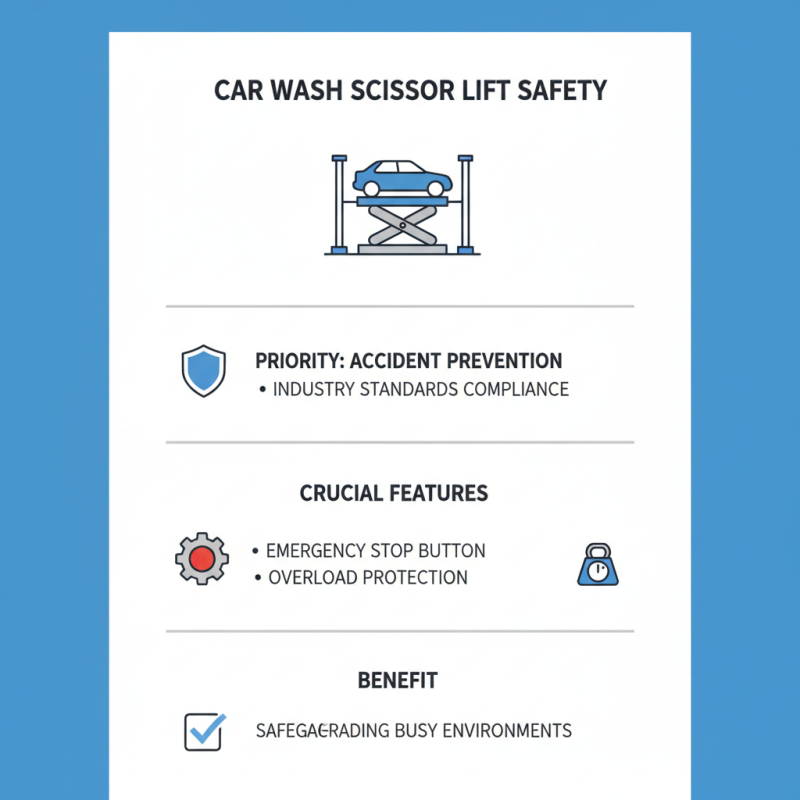
Emergency stop, safety locks, and overload protection |
| Warranty |
1 year on parts and labor |
Assessing Load Capacity and Lift Height for Optimal Performance
When choosing a car washing scissor lift, understanding load capacity is crucial. Consider the weight of the vehicles you will typically lift. Most lifts can handle anywhere from 5,000 to 10,000 pounds. If you mainly work with smaller cars, a lower capacity lift may suffice. However, if you plan to lift heavier vehicles, such as trucks or vans, ensure the lift can handle that weight. Overloading a lift can lead to accidents or damage.
Lift height is just as important. Standard lifts usually offer heights around 48 to 60 inches. This range often allows for easy access to the vehicle's undercarriage. Inspecting the working space is vital. Ensure your garage has adequate ceiling height for the lift you choose. An inadequate height can limit your ability to work efficiently. Remember that overly ambitious lift heights can also lead to stability issues. A lift that is too high may wobble. Balance is essential.
Ultimately, consider both load capacity and lift height before making your decision. Paying attention to these factors can greatly enhance your car washing experience. Each job is different, and adjustments may be needed. Review your options carefully to find the best fit for your needs.
Analyzing Cost-Effectiveness and Maintenance Considerations for Long-Term Use
When considering a car washing scissor lift, cost-effectiveness is crucial. Research shows that quality lifts can range from $2,000 to $10,000. Prices vary based on features and capabilities. A durable lift might have a higher initial cost, but can save money long-term. Look into expected lifespan and warranty options, which can greatly impact overall costs.
Maintenance is another vital factor. Regular inspections can prevent costly issues. According to industry reports, neglecting maintenance can lead to repair costs that exceed 20% of the initial purchase price. Ensure the lift has accessible components for easy servicing. Knowing how to service your lift will also help maintain uptime.
Tips: Always read user manuals thoroughly. Understand all maintenance requirements. Train staff on proper usage to minimize wear and tear. Be aware of whether the lift can withstand the environment it will be used in.
Investing in the right lift means considering not just the price tag. Reflect on the long-term value versus the immediate cost. Skipping necessary maintenance can turn a well-planned investment into an expensive burden.