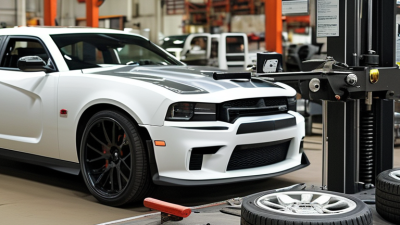
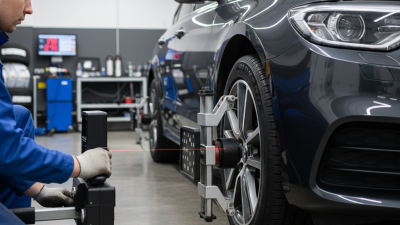
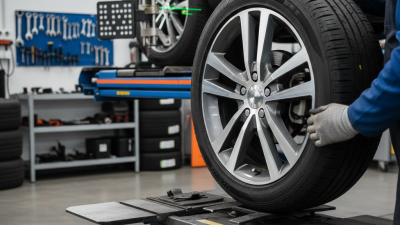
Top Tips for Using a Car Balancing Machine Effectively
In today's automotive industry, precision is key. Utilizing a Car Balancing Machine correctly can greatly enhance vehicle safety and performance. According to a report by the Automotive Service Association, improperly balanced tires can lead to uneven wear and reduced fuel efficiency, costing drivers time and money.
Renowned automotive expert Dr. Emily Carter states, "A well-calibrated Car Balancing Machine is essential for modern workshops.” This highlights the necessity of expertise in using such machines. Many technicians overlook important calibration steps, leading to inaccuracies. This oversight can result in various issues, from vibration during driving to accelerated tire aging.
Adopting best practices when employing a Car Balancing Machine not only improves shop efficiency but also boosts customer satisfaction. A properly balanced vehicle enhances safety and provides a smoother ride. As the industry evolves, ensuring that your balancing techniques are up to date becomes increasingly vital. Rethinking traditional methods could lead to better outcomes in car maintenance and performance.
Understanding the Basics of Car Balancing Machines
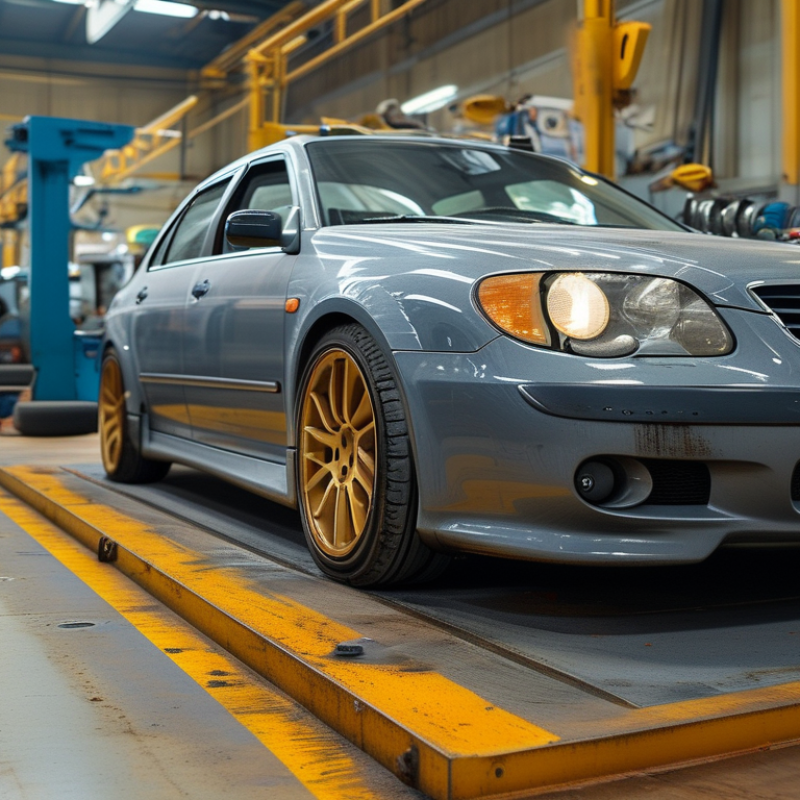
Understanding car balancing machines is crucial for ensuring optimal vehicle performance. These machines help maintain the balance of tires, promoting even wear and enhancing safety. A car balancing machine measures the distribution of weight around the tire and wheel assembly. This process is vital for smooth driving and prolonging tire life.
When using a car balancing machine, make sure to start with clean tires. Dirt or debris can lead to inaccurate readings. Be mindful of any visible damage on the tires. Inspecting them thoroughly ensures you're addressing potential issues. Regularly calibrate the machine for consistent performance. Calibration promotes accuracy, which is essential for effective balancing.
Pay attention to the setup. An improperly positioned wheel can skew results. Always follow the manufacturer's guidelines for measurements. Taking time to evaluate your technique can lead to better outcomes. Remember, no machine is infallible, and being vigilant can prevent future problems. Finally, track the balance history of the vehicle. This information helps you identify patterns and trends in tire wear, aiding in proactive maintenance.
Preparing Your Vehicle for Balancing Procedures
Preparing your vehicle for balancing procedures requires careful attention. Before using a car balancing machine, ensure your tires are free from excessive wear. Look for uneven tread patterns or visible damage. These issues can lead to inaccuracies during balancing. Check the pressure in all tires, as improper inflation can affect balance.
Remove any heavy debris from the wheels and ensure that the rims are clean. A buildup of dirt can cause a machine to read incorrectly. Verify that your vehicle is on a level surface. This helps ensure accurate measurements when balancing.
Consider the age of your tires. Older tires may have developed structural defects, impacting balance results. Sometimes, even a slight misalignment in suspension can lead to poor balancing outcomes. Regular inspections of your vehicle's overall condition can prevent these issues. Balancing is a critical process, but, if neglected, it may not address deeper problems.
Step-by-Step Guide to Operating a Car Balancing Machine
Operating a car balancing machine requires precision and attention to detail. Begin by ensuring the machine is level. An unlevel machine can lead to inaccurate readings and uneven tire wear. The Tire Industry Association reports that improperly balanced tires can reduce fuel efficiency by up to 15%. This highlights the importance of accurate setup.
Next, inspect the tires for any visible damage or uneven wear before placement. This step is crucial, as damaged tires can skew balance readings. Follow the manufacturer’s instructions for loading the wheels. Always use appropriate adapters to secure the tires firmly on the machine. A common mistake is neglecting this, which can lead to a flawed balance.
After balancing, perform a test drive. Listen for vibrations or strange noises. These symptoms can indicate further adjustments are needed. Regular calibration of the machine is essential. According to industry standards, balancing machines should be recalibrated every six months to ensure reliability. Balancing is not just a one-step process; ongoing reflection is necessary to improve accuracy and performance.
Common Mistakes to Avoid When Balancing Tires
When balancing tires, common mistakes can lead to significant issues. One prevalent error is failing to check the condition of the tires before balancing. According to a study by the Tire Industry Association, more than 30% of tire-related problems stem from improper inspection. Ignoring wear patterns and sidewall damage can affect balance accuracy. A thorough inspection is essential for optimal results.
Another frequent misstep is neglecting equipment calibration. Machines should be calibrated regularly to maintain precision. The Machinery and Equipment Manufacturing Association reports that uncalibrated machines can inflate errors by up to 50%. This inconsistency compromises the balancing process and may lead to uneven tire wear. Operators must follow a calibration schedule to ensure accuracy.
Lastly, overlooking the importance of proper weight application is critical. Incorrect weight placement can result in vibrations and a noisy ride. The Automotive Service Association highlights that approximately 20% of imbalances arise from improper weight distribution. Learning correct techniques for applying weights improves overall balance and enhances safety. Recognizing these common pitfalls can lead to better tire performance and longevity.
Top Tips for Using a Car Balancing Machine Effectively - Common Mistakes to Avoid When Balancing Tires
| Tip |
Description |
Common Mistakes |
| Check Tire Pressure |
Ensure tires are inflated to the manufacturer's recommended pressure before balancing. |
Balancing tires with incorrect pressure can lead to inaccurate results. |
| Choose the Right Machine |
Use a balancing machine that is suitable for the type of tires being balanced. |
Using an inappropriate machine can result in poor balancing. |
| Clean Wheels |
Remove any dirt or debris from the wheels before placing them on the machine. |
Neglecting to clean can lead to imbalanced measurements. |
| Use Proper Weights |
Select the correct weights based on the balancing machine's output. |
Using incorrect weights can result in further imbalance. |
| Regular Calibration |
Ensure the balancing machine is calibrated regularly for accurate readings. |
Neglecting calibration may lead to consistent errors in balancing. |
Maintaining Your Car Balancing Machine for Optimal Performance
Maintaining a car balancing machine is crucial for achieving the best results. Regular maintenance ensures accuracy and prolongs the lifespan of the equipment. Check the calibration often. A machine that's out of balance will lead to incorrect readings. This might cause unnecessary tire wear or poor handling.
Keep the machine free of dust and debris. Dirt can interfere with sensors and affect performance. Use a soft cloth for cleaning. Pay attention to moving parts, ensuring they are lubricated and functioning smoothly. Frequent inspections can reveal early signs of wear. Ignoring these can result in costly repairs.
Be mindful of software updates for modern balancing machines. Outdated software can lead to malfunctions. Regular updates can enhance features and fix bugs. Operators should stay informed about the manufacturer’s recommendations. This knowledge can make a significant difference in the machine's effectiveness. Mistakes in operation can be costly. Learning from experiences and seeking expert advice can lead to better practices. Remember that even seasoned professionals can overlook details.