Why Choose a Mid-Rise Scissor Lift for Your Business Needs?
In today's competitive marketplace, choosing the right equipment is crucial for efficiency and safety. The Mid-Rise Scissor Lift has emerged as a preferred choice for many businesses. According to a recent report by the Material Handling Industry of America, the demand for such lifts has increased by over 25% in the past year alone. This highlights their growing importance in various sectors, including construction and warehousing.
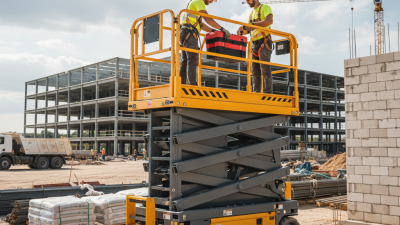
Renowned industry expert, Michael Thompson, states, "Mid-Rise Scissor Lifts offer unmatched versatility and safety for workers at height." This sentiment is echoed by many professionals who appreciate the lift's capability to reach elevations between 20 to 30 feet. Such heights are optimal for tasks that don’t require full-height access but still demand precision and security.
However, businesses must carefully evaluate their specific needs. While the Mid-Rise Scissor Lift is efficient, it may not be suitable for every environment. There are limitations, particularly in space-constrained areas. Ensuring that this lift fits your operational layout is essential for maximizing productivity and safety. Choosing wisely could enhance workforce effectiveness while minimizing risk.
Understanding Mid-Rise Scissor Lifts and Their Functionality
Mid-rise scissor lifts are versatile tools for various industries. They allow operators to reach heights between 20 to 40 feet, making them ideal for jobs that require both safety and efficiency. According to the International Society of Automation, improving workplace safety can reduce accidents by up to 25%. With a mid-rise scissor lift, workers can perform tasks with better stability and access.
When selecting a mid-rise scissor lift, consider your workplace's layout. Ensure that the lift can fit through doorways and that there's adequate space at height for maneuverability. It’s essential to assess the lift’s weight capacity. These lifts typically can support loads of about 500 to 1,000 pounds. Therefore, understanding your needs and the lift's specifications is crucial.
**Tip:** Regular maintenance is key to ensuring safety and operational efficiency. Schedule inspections routinely, checking for any signs of wear or malfunction.
In addition, mid-rise scissor lifts are often more affordable than larger alternatives, making them a sound investment. However, always analyze your specific requirements. Not all environments suit every lift type. If your workspace is congested, you may need to evaluate other options.
Key Advantages of Using Mid-Rise Scissor Lifts in Various Industries
Mid-rise scissor lifts are transforming how businesses operate across various industries. These lifts typically reach heights between 20 and 40 feet, making them ideal for tasks that require moderate elevation without the bulk of larger equipment. Employees can safely access high shelving, clean windows, or perform maintenance work without the hazards associated with traditional ladders.
These lifts are not just versatile; they improve workflow efficiency. In warehousing, for instance, mid-rise scissor lifts facilitate quick inventory checks and retrievals. Their compact design allows for movement in tight spaces, ensuring that operations run smoothly. However, not all environments are suited for these lifts. Businesses in very confined areas might face challenges with maneuverability. It's essential to assess specific work conditions before deciding.
Moreover, mid-rise scissor lifts offer excellent stability and safety features. They often come equipped with guardrails and safety controls. These features help reduce workplace accidents, creating a safer environment for everyone involved. Yet, with any equipment, proper training is crucial. Employees must feel confident using lifts to avoid unnecessary risks. Careful training ensures that benefits outweigh potential downsides.
Safety Features and Regulations for Mid-Rise Scissor Lifts
Mid-rise scissor lifts are increasingly popular in various industries. These lifts typically reach heights of 20 to 40 feet, making them ideal for indoor tasks. Safety is paramount, especially given statistics from the Bureau of Labor Statistics, which reported that falls from heights are a leading cause of workplace injuries.
When considering mid-rise scissor lifts, safety features matter. Many models now include guardrails, non-slip platforms, and emergency stop buttons. Reports indicate that utilizing proper safety equipment can reduce fall-related incidents by up to 50%. Regular maintenance checks are crucial, as equipment malfunctions can lead to serious accidents. Regulations mandate regular inspections to ensure compliance with safety standards.
However, awareness of safety practices is essential. Operators must be trained to handle these machines properly. Research shows that inadequate training increases the risk of accidents. Businesses should invest in comprehensive training programs. Safety should never be an afterthought; it is an ongoing concern. For a safer work environment, selecting lifts that meet stringent safety regulations is vital.
Cost-Effectiveness and ROI of Investing in Mid-Rise Scissor Lifts
Investing in mid-rise scissor lifts can greatly enhance operational efficiency. These lifts provide a safe platform for workers at various heights, making them invaluable in construction, warehousing, and retail environments. According to industry reports, companies using these lifts report up to 30% lower labor costs due to increased productivity. By allowing multiple workers to collaborate at height, mid-rise lifts optimize workflows.
The initial cost of mid-rise scissor lifts may seem daunting, often ranging between $10,000 and $25,000. However, the return on investment (ROI) can be substantial. For instance, a business might save approximately $15,000 in labor costs annually, just from enhanced efficiency. Additionally, the longevity of these lifts, typically extending over ten years with proper maintenance, further justifies the cost. Many operators note that safety improvements also lead to fewer accidents, reducing indirect costs related to workplace injuries.
Some organizations may worry about the learning curve for employees. Proper training is essential to maximize the benefits of mid-rise lifts. Without it, performance may suffer. Therefore, investing in comprehensive training programs can help mitigate these issues. Companies must carefully weigh their operational needs against these factors to ensure a well-informed decision concerning their investment in mid-rise scissor lifts.
Maintenance Tips for Ensuring Longevity of Mid-Rise Scissor Lifts
Mid-rise scissor lifts are essential for various tasks in warehouses and construction sites. Proper maintenance can significantly extend their lifespan. Regular inspections are crucial. Check the hydraulic system frequently for leaks. Look for any wear on cables and belts. Ignoring these checks can lead to significant issues later.
Cleaning the lift after each use is vital. Dust and debris can accumulate, affecting performance. Pay attention to the battery and ensure it is charged correctly. Improper charging can reduce battery life and efficiency. Use the lift only on stable and level surfaces to prevent tipping hazards. These simple practices can save money in repairs down the line.
Consider training operators thoroughly. An untrained operator may misuse the lift, leading to accidents. Conduct regular safety workshops to reinforce best practices. Reflect on your maintenance schedule. Is it frequent enough? Adjust your approach as needed. Fine-tuning your maintenance routine ensures your mid-rise scissor lift remains reliable for daily operations.