Tire Balance And Alignment Tips for Best Performance?
Achieving optimal performance in your vehicle relies heavily on proper Tire Balance And Alignment. When tires are not balanced, vibrations can occur, leading to excessive wear. Misalignment also affects steering and handling, making your driving experience less enjoyable.
Regular maintenance is essential. Check tire pressure weekly. Inspect tread depth frequently to ensure safety. Many overlook these simple tasks, which can lead to costly repairs later on.
It’s frustrating when your car pulls to one side or when you feel vibrations through the steering wheel. These signs often indicate that your tire balance and alignment are off. Ignoring them can result in decreased fuel efficiency and a less secure ride. Take the time to address these issues. Your vehicle deserves it.
Understanding Tire Balance and Alignment Basics
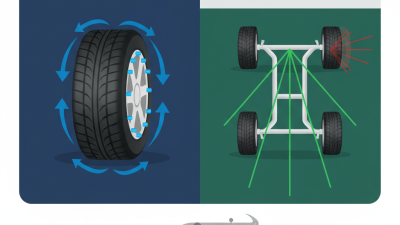
Tire balance and alignment are crucial for vehicle performance. Proper balance ensures even tire wear and a smooth ride. An unbalanced tire can cause vibrations, leading to discomfort. When you drive, pay attention to how your vehicle feels. If it shakes, it may be time to check the balance.
Alignment affects how your tires make contact with the road. Misalignment can lead to uneven wear and affect handling. It can be caused by hitting potholes or curbs. Over time, you might notice your car pulling to one side. This is a sign that alignment needs attention.
Regular checks are essential to maintain performance. You may overlook this aspect, thinking it’s not needed. Yet, small adjustments can prevent bigger issues down the line. Consider a professional inspection if you suspect problems. This investment can save you money later.
Signs of Poor Tire Balance and Alignment Issues
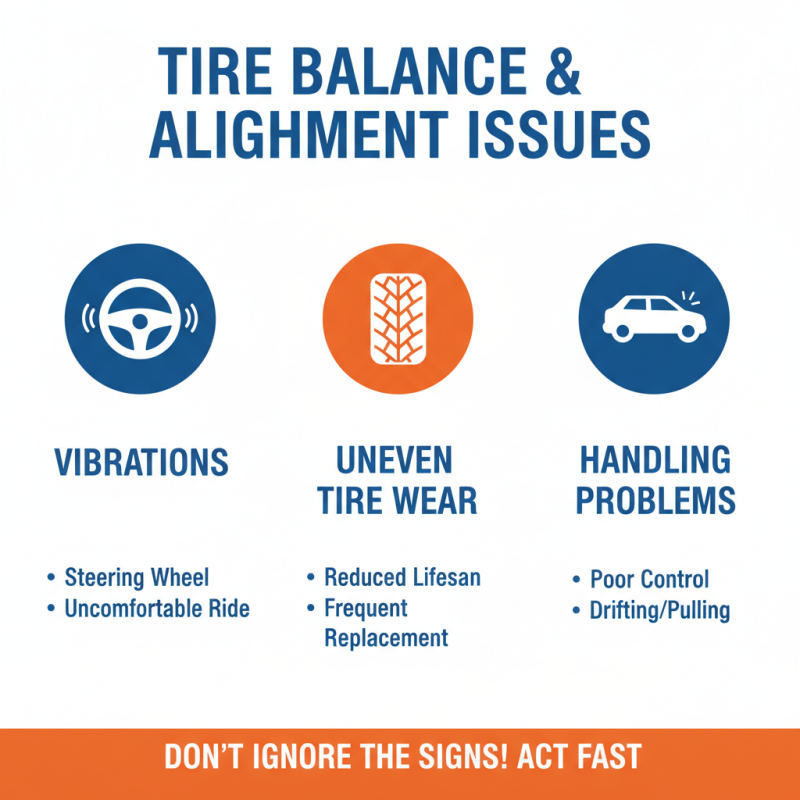
Improper tire balance and alignment can lead to several issues. You might notice vibrations in the steering wheel while driving. This is a common sign of poor tire balance. It can make your ride uncomfortable and affect your control. When you feel these vibrations, it’s time to take action. Ignoring them can lead to wearing down your tires faster than normal.
Another clear indication of alignment issues is uneven tire wear. Regularly inspect your tires for any strange patterns. If one side is wearing out faster, alignment could be off. Misalignment may also cause your vehicle to pull to one side. This not only makes driving difficult but increases the risk of an accident. Pay attention to these signs and address them promptly instead of delaying, which can lead to more significant problems.
Lastly, listen closely to any unusual noises when driving. This might indicate your tires are not properly balanced or aligned. The hum or thud can be subtle, but it's still a warning sign. If these issues persist, a professional inspection is essential. It’s better to invest in maintenance now than to face costly repairs down the line.
Step-by-Step Guide to Balancing Tires Effectively
Maintaining tire balance is crucial for safe driving. An unbalanced tire can lead to uneven wear and affect your car's handling. Start by checking the tire pressure. Proper inflation can influence balance. Next, inspect each tire for noticeable wear patterns. Look for bald spots or bulges. These issues may require more than just balancing.
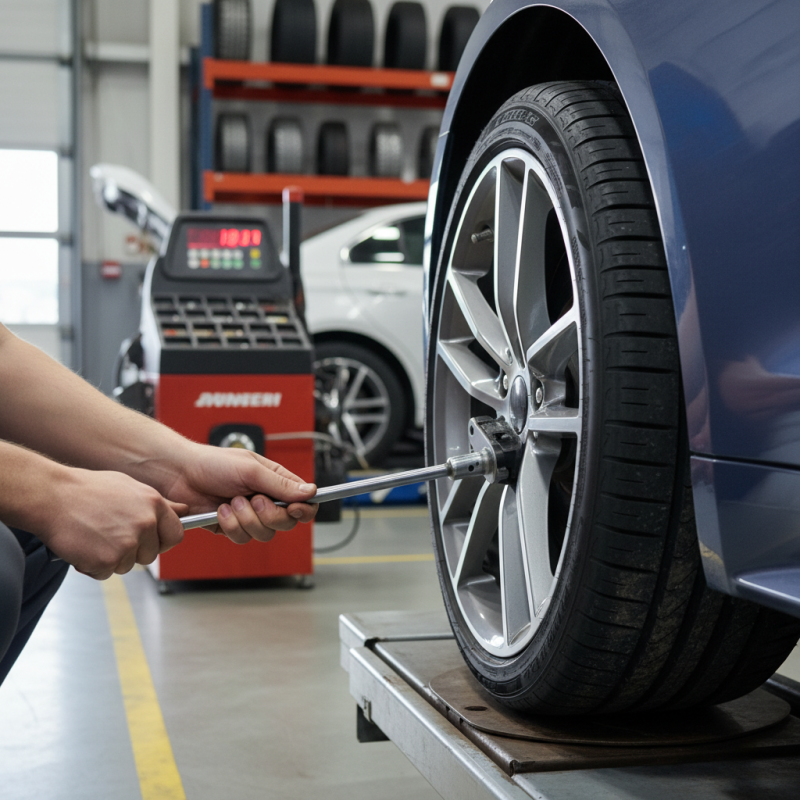
When balancing, use a quality balance machine. It detects where weight needs to be added or removed. Place weights on the rim’s inner or outer edge based on instructions. This step is not just technical; it can be easy to overlook. Sometimes a tire might still vibrate, signaling missed adjustments. Don't rush this process; it's worth the time.
After balancing, a wheel alignment is necessary. Misalignment can cause pulling to one side. Driving straight should not feel like a struggle. Observe your steering wheel’s position. If it’s off-center, it’s time for an alignment check. An improper setup can lead to premature tire wear. It’s a cycle that can be avoided with careful attention.
Tire Balance and Alignment Performance Analysis
This chart represents the alignment and balance scores for a set of tires over four different measurements. Proper tire balance and alignment are crucial for optimal vehicle performance and tire longevity.
Adjusting Wheel Alignment: Tools and Techniques
Adjusting wheel alignment is essential for optimal vehicle performance. Proper alignment ensures that tires wear evenly. Misalignment can lead to uneven tire wear and affect handling. To maintain your vehicle, start by checking the steering wheel. It should be centered when driving straight. If it isn’t, your alignment may need adjustment.
Tools for alignment include a wheel alignment machine and camber gauges. An effective method is using a tape measure to check dimensions. Measure the distance between the front and rear wheels on both sides. Note any discrepancies. A reflecting laser can also indicate misalignment angles precisely. It might be tricky if you are not experienced. So, consult a professional if you feel uncertain.
Once you have the right tools, observe the tire wear pattern. If the inside or outside edges wear faster, that's a sign. Adjusting the camber or toe settings can make a significant difference. If you adjust the alignment yourself, take your time to ensure accuracy. Rushing may lead to further issues. Pay close attention to the alignment specs for your vehicle type. Remember to regularly check your alignment, especially after hitting potholes or curbs.
Tire Balance And Alignment Tips for Best Performance
| Tip |
Description |
Recommended Frequency |
Tools Needed |
| Check Tire Pressure |
Maintain proper tire pressure for optimal performance and fuel efficiency. |
Monthly |
Tire Pressure Gauge |
| Inspect Tread Depth |
Ensure adequate tread depth for traction and safety, replace if worn. |
Every 6 months |
Tread Depth Gauge |
| Perform Wheel Alignment |
Correct misalignment to improve tire wear and handling. |
Every 12,000 miles |
Alignment Machine |
| Rotate Tires |
Change tire positions to ensure even wear. |
Every 5,000-7,500 miles |
Lug Wrench, Jack |
| Balance Tires |
Ensure uniform weight distribution to avoid vibrations. |
After mounting new tires or if vibrations occur |
Balancing Machine |
Regular Maintenance Tips for Optimal Tire Performance
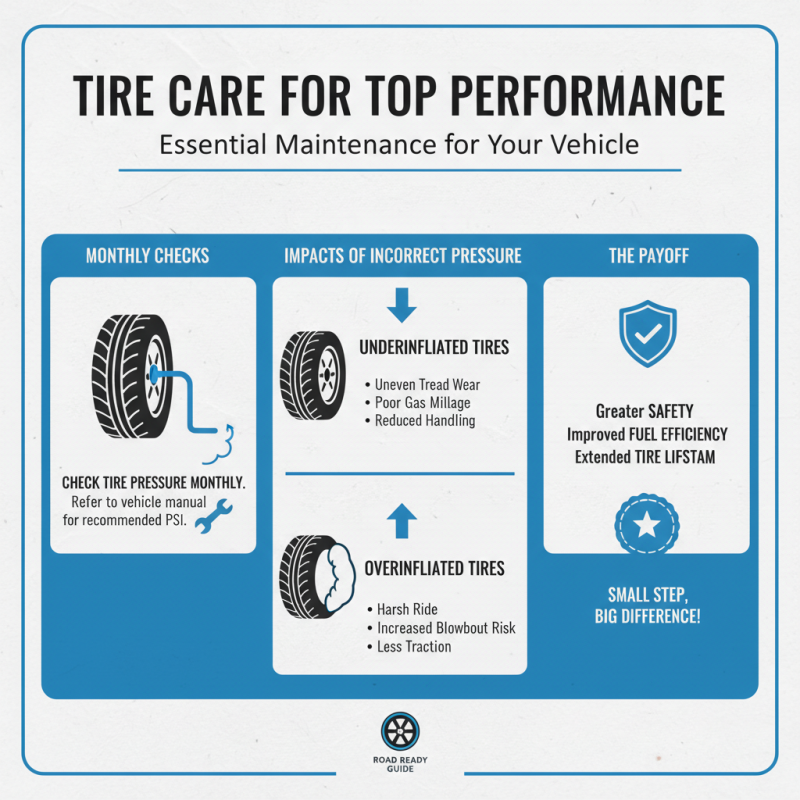
Regular tire maintenance is essential for optimal performance. Checking tire pressure monthly is a good practice. Underinflated tires can lead to uneven wear and poor gas mileage. On the flip side, overinflated tires can cause a harsh ride and increase the risk of blowouts. Aim for the recommended pressure listed in your vehicle's manual. This small step can significantly enhance safety and efficiency.
Rotation is another vital maintenance tip. Tires wear down at different rates. Regularly rotating them can extend their lifespan and improve handling. Consider rotating your tires every 5,000 to 7,500 miles. Pay attention to tread wear indicators as well. If you notice uneven wear, it may be time to check your alignment. Misalignment can stem from hitting potholes or curbs, leading to further complications if ignored.
Balancing your tires is equally important. Unbalanced tires can cause vibrations and lead to premature wear. Drive at various speeds to feel if there are any vibrations. If you do, it might be time for a balance check. Remember, neglecting these issues can affect your vehicle’s handling and comfort. Regular maintenance is a commitment, and although it sounds tedious, the benefits are undeniable.