Top 10 Car Alignment and Balance Tips for Global Buyers?
Maintaining optimal car alignment and balance is crucial for vehicle performance. Poor alignment can lead to uneven tire wear, reduced fuel efficiency, and a decrease in handling. Buyers from all over the globe should be knowledgeable about the effects of alignment on their vehicles.
When considering car alignment and balance, it is essential to understand your specific driving conditions. Different climates and terrains can affect how your car handles. Regular checks and adjustments can save money in the long run, yet many overlook this essential maintenance task. Ignoring signs of misalignment can lead to bigger problems, requiring costly repairs.
In addition, understanding the common signs of misalignment is vital. Players in the automotive market often recommend checking tire pressure and tread wear. Buyers must be aware of how these factors contribute to overall vehicle safety. Developing a habit of regular inspection can lead to a more reliable cruising experience, ultimately enhancing satisfaction with your purchase. Balancing these elements requires focused attention and proactive measures, and this article will provide tips to help you maintain proper car alignment and balance.
Understanding Car Alignment and Balance: A Comprehensive Guide
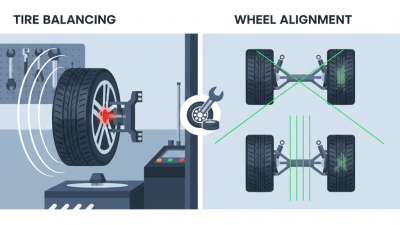
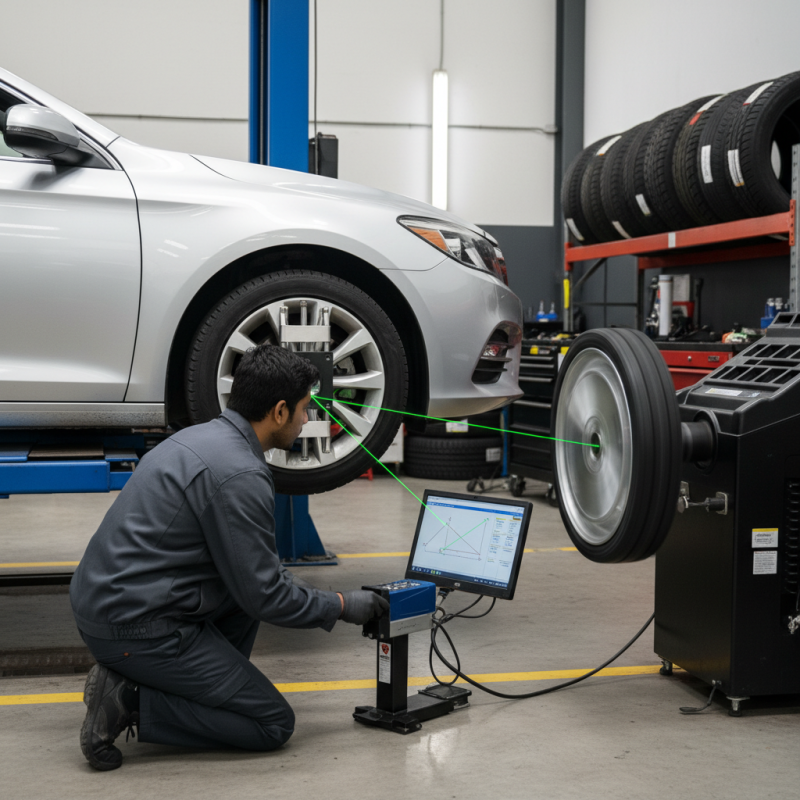
Understanding car alignment and balance is essential for every vehicle owner. Proper alignment ensures that your wheels are pointing in the right direction. When wheels are misaligned, it can lead to increased tire wear and unstable handling.
One tip for maintaining alignment is regular inspections. Driving habits and road conditions can affect your car's alignment. Every 6,000 miles or so, check your alignment to catch any issues early. Pay attention to how your car feels while driving. If it pulls to one side, that’s a sign of misalignment.
Balancing your tires is equally important. Uneven weight distribution can create vibrations, impacting comfort and safety. Rotate your tires every 5,000-7,000 miles to ensure an even wear pattern. Keep an eye on your tire pressure as well. Low pressure can lead to unexpected handling problems.
It's essential to reflect on your driving conditions, too. Potholes or curbs can throw off your alignment. Assess your regular routes for any potential threats to your car's handling. By staying proactive, you can greatly enhance your vehicle's performance and longevity.
Top 10 Car Alignment and Balance Tips for Global Buyers
| Tip No. |
Tip |
Description |
Frequency |
| 1 |
Check Tire Pressure |
Ensure tires are inflated to the manufacturer's recommended levels to promote even wear. |
Monthly |
| 2 |
Inspect Tire Tread |
Use a tread depth gauge to ensure tires have adequate tread for traction. |
Every 5,000 miles |
| 3 |
Get Regular Alignments |
Schedule an alignment check after every 6,000 miles or if you notice uneven tire wear. |
Every 6,000 miles |
| 4 |
Rotate Tires |
Regularly rotating tires helps to promote even wear across all tires. |
Every 5,000 to 7,500 miles |
| 5 |
Check Suspension Components |
Inspect struts, shocks, and other suspension parts for wear and tear. |
Annually |
| 6 |
Monitor Driving Habits |
Avoid sudden stops and sharp turns to reduce the risk of misalignment. |
Always |
| 7 |
Balance Tires |
Get tires balanced during tire installation and periodically to ensure smooth driving. |
Every 10,000 miles |
| 8 |
Check Wheel Alignment |
Look for signs of alignment issues such as pulling to one side. |
As needed |
| 9 |
Use Quality Tires |
Invest in high-quality tires that offer better performance and longevity. |
Every few years |
| 10 |
Maintain Proper Load |
Ensure your vehicle isn’t overloaded to avoid strain on the suspension. |
Always |
The Importance of Proper Car Alignment for Vehicle Performance
Proper car alignment is crucial for optimal vehicle performance.
Misalignment can lead to uneven tire wear, poor handling, and decreased fuel efficiency.
This issue is often overlooked by many car owners. Regular checks ensure safety and prolong the lifespan of your vehicle.
To maintain proper alignment, ensure that your tires are adequately inflated.
Low tire pressure can cause alignment issues and increase drag.
Consider performing a visual inspection of your tires regularly. Look for uneven wear patterns, which can indicate misalignment.
Schedule professional alignments at least once a year or after any significant impact.
Driving habits play a significant role as well.
Avoid hitting potholes and curbs whenever possible. These actions can throw your alignment off balance.
Additionally, if your steering wheel is off-center, it’s time to get your alignment checked.
Simple observations can save you from costly repairs.
Top Signs Indicating Your Car Needs Alignment and Balancing
Recognizing the signs that your car needs alignment and balancing is crucial for safe driving. If your vehicle pulls to one side, it's a strong indicator. This could lead to uneven tire wear and potentially compromise handling. Listen for any unusual noises when turning. These could signify issues with your alignment.
Another sign is the vibration in the steering wheel. It may seem minor, but it can signal misalignment. Don’t ignore this discomfort. Pay attention to your tires as well. Look for irregular wear patterns. If the tread is uneven or worn out, alignment may be necessary.
Tips for maintaining alignment include regular inspections. Make it a habit to check your car every 6,000 miles. You should also monitor tire pressure regularly. Properly inflated tires contribute to better alignment. Finally, avoid potholes and rough roads when possible. These can throw off your car's alignment quickly. Taking these steps ensures a smoother ride.
Top 10 Car Alignment and Balance Tips for Global Buyers
Best Practices for Maintaining Car Alignment and Balance
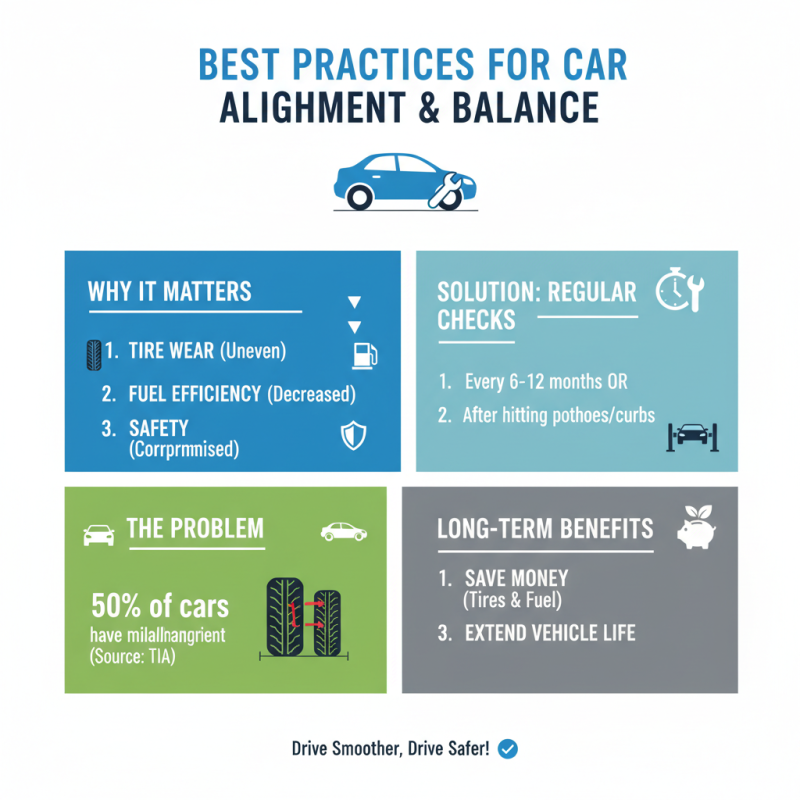
Maintaining proper car alignment and balance is crucial for overall vehicle performance. Misalignment can lead to uneven tire wear, increased fuel consumption, and compromised safety. According to the Tire Industry Association, about 50% of vehicles on the road have some degree of misalignment. Regular checks can save drivers money in the long run.
Every driver should know when to check alignment. Signs include the car pulling to one side or uneven tire wear. A study by the Automotive Maintenance and Repair Association indicated that 30% of drivers neglect regular alignment checks. Ignoring these signs can lead to more significant issues and repairs that might strain your budget.
Incorporating regular maintenance practices is essential. Schedule alignment checks every 5,000 to 6,000 miles. This simple tip can prevent premature tire wear and maximize performance. Also, ensure tires are inflated to the recommended pressure. Under-inflation can worsen alignment issues. Remember, maintaining balance is not just about comfort; it contributes directly to your car's safety and efficiency. Regular attention to alignment and balance can make a significant difference.
Choosing the Right Service Center for Alignment and Balance Needs
When choosing a service center for alignment and balance needs, several factors come into play. It’s essential to consider the expertise of the technicians. According to industry reports, a well-trained technician can reduce tire wear by up to 50%. This statistic underscores the impact of professional alignment services. Look for centers that promote continuous education for their staff.
Reputation matters. Reviews and ratings can provide insights into a service center's reliability. A study indicated that 70% of customers trust online reviews as much as personal recommendations. Find centers with a strong track record. Ask about their equipment. Advanced machinery can ensure precise measurements. Some shops invest in systems that can detect alignment issues with remarkable accuracy.
It’s vital to reflect on the overall service quality. Not every center meets high standards. Inconsistent services can lead to recurring issues, costing you more in the long run. Remember, your vehicle's alignment affects fuel efficiency and safety. So, take the time to research. Your choice can significantly enhance your driving experience.