Leave Your Message

Top Car Tire Changer Manufacturers for Global Buyers

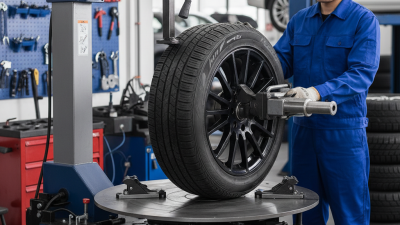
When global buyers search for a reliable Car Tire Changer, price is only one part of the decision. A suitable machine must match workshop volume, tire sizes, power supply, and operator skill. A compact pneumatic model may serve a small garage well. A heavy-duty automatic unit may better support a busy tire center. The wrong choice can cause slow service, damaged rims, or costly downtime.

This guide examines leading Car Tire Changer manufacturers for international buyers. It considers manufacturing experience, product design, safety features, certifications, and after-sales support. Practical details matter. Look for reinforced mounting heads, stable turntables, clear controls, and accessible replacement parts. Buyers should also verify voltage options, warranty terms, installation guidance, and response times from technical teams. Factory audits, sample testing, and customer references can provide stronger evidence than polished brochures.

No ranking is perfect. Market needs differ. Some manufacturers offer excellent engineering but limited regional support. Others provide attractive prices but less consistent quality control. This guide therefore uses balanced criteria rather than promotional claims. It encourages buyers to compare machine performance under realistic workshop conditions, including bead stiffness, rim protection, noise, and daily operating cycles. A trustworthy supplier should explain limitations openly. That matters. With careful research, global buyers can select a Car Tire Changer that improves productivity, protects customer wheels, and remains dependable across years of professional use.

Top Car Tire Changer Manufacturers for Global Buyers

Types of Car Tire Changers for Different Automotive Applications

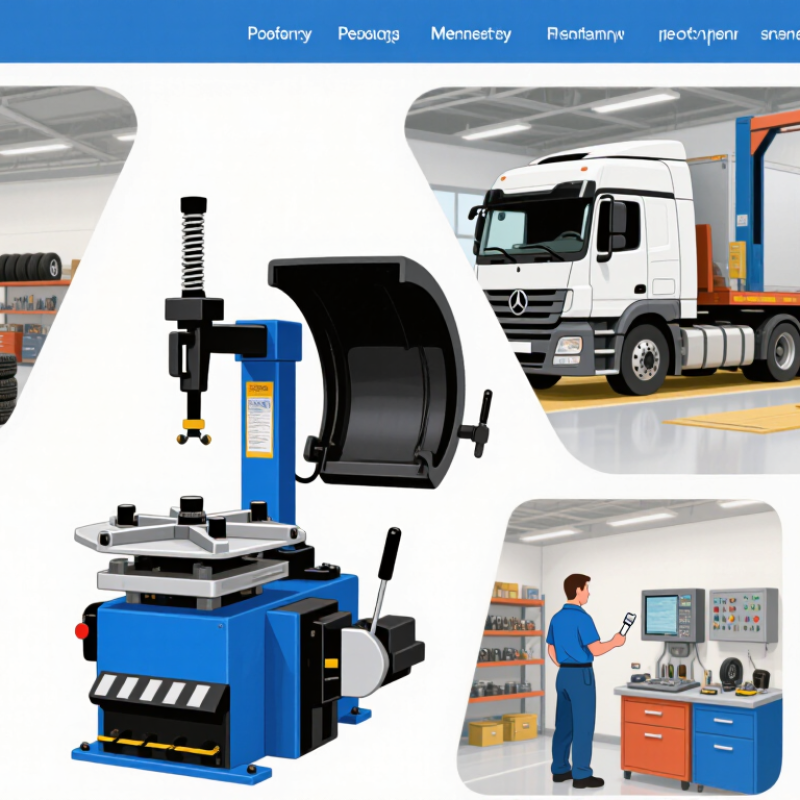
Car tire changers vary by vehicle type, wheel design, and daily workload. Choosing the right machine starts with the application, not the catalog photograph. A swing-arm tire changer suits general repair shops handling standard steel and alloy wheels. Its compact structure works well where floor space is limited. It also offers straightforward operation for routine tire replacement.

Tilt-back models provide more clearance behind the wheel. This helps technicians service wider rims, low-profile tires, and larger passenger vehicles. The extra space can reduce contact with delicate alloy surfaces.

However, the rear column needs adequate room to move. That detail is often overlooked. A busy workshop may discover this problem after installation.

For run-flat tires and premium alloy wheels, leverless changers can offer better control. They use specialized tools instead of forcing a traditional tire lever against the rim. This design may reduce cosmetic damage, but it requires proper training and careful pressure settings.

Mobile tire changers support roadside services and small garages. Their value depends on stable power, compressor capacity, and transport weight. Heavy-duty models are more suitable for vans and light commercial vehicles, especially with reinforced sidewalls.

In practice, manufacturers should be assessed by bead-breaking accuracy, clamping stability, spare-part access, and operator protection. Specifications can look impressive, yet real testing reveals noise, vibration, and awkward controls. A careful buyer should test several wheel sizes before making a final decision.

Key Features to Compare Among Global Tire Changer Manufacturers

When comparing global tire changer manufacturers, start with machine capability rather than catalogue claims. Confirm the wheel diameter range, clamping method, and maximum tire width. A workshop handling passenger cars needs different force than a commercial fleet center. Ask for tested cycle times, not optimistic estimates. Check whether the machine supports run-flat and low-profile tires without damaging rims. Practical demonstrations reveal more than polished product sheets. I have seen buyers overlook bead-breaking force, then struggle with stiff sidewalls. That mistake becomes expensive.

Build quality deserves equal attention. Inspect the turntable, air lines, hydraulic components, and protective covers. Steel thickness and weld consistency often indicate how equipment will age. Ask about motor protection, emergency stops, noise levels, and voltage options for your market. Reliable manufacturers provide manuals, spare-parts lists, training, and responsive technical support. Warranty length matters, but service response matters more. A long warranty cannot repair downtime by itself. That point is easy to miss.

Tips: Compare at least three technical datasheets before requesting a quotation. Verify electrical compatibility, shipping protection, installation requirements, and available replacement parts. Ask for service records from similar workshops, where possible. Check relevant safety certifications for your destination market. No checklist is perfect. Leave room for operator feedback after a live test, because real workshop conditions often expose weaknesses that specifications hide.

Top Car Tire Changer Manufacturers for Global Buyers - Key Features to Compare Among Global Tire Changer Manufacturers
Comparison Dimension Common Professional Specification Range What Global Buyers Should Compare Typical Application Important Verification Point
Wheel Clamping Range 10–24 in for standard units; up to 26–30 in for heavy-duty models Check whether the range is measured from the inside, outside, or both clamping positions. Passenger cars, light commercial vehicles, SUVs, and selected alloy wheels Confirm the actual clamping range for alloy wheels and low-profile tire assemblies.
Maximum Tire Diameter Approximately 960–1,200 mm for common workshop models Larger tire diameter provides greater flexibility for SUVs, vans, and commercial applications. Passenger vehicles, SUVs, vans, and light trucks Check whether the stated diameter applies to standard tires or special equipment configurations.
Maximum Tire Width Approximately 300–400 mm for conventional swing-arm or tilt-column machines Compare the supported section width with the tire sizes most frequently serviced in the target market. Standard passenger tires and wider SUV or performance tires Verify clearance between the tire, mounting head, turntable, and machine column.
Operating Air Pressure Generally 8–10 bar (116–145 psi) Air consumption and minimum inlet pressure affect compatibility with the workshop compressor. Pneumatic bead breaker, clamping jaws, and auxiliary inflation systems Compare required inlet pressure, air consumption, and recommended compressor capacity.
Motor Power Commonly 0.75–1.5 kW for passenger-car machines; higher for heavy-duty units Motor rating influences turntable torque, operating speed, and performance under load. Low- to medium-volume tire service workshops Check voltage, phase, frequency, plug configuration, and overload protection for the destination country.
Turntable Rotation Speed Approximately 6–15 rpm, depending on model and motor configuration Variable or controlled speed can improve handling of delicate rims and stiff sidewalls. Routine tire mounting, demounting, and alloy-wheel service Confirm whether the published speed is fixed, variable, or measured without load.
Bead Breaker Capacity Typically 2,500–3,500 kgf for standard pneumatic bead breakers Higher bead-breaking force is useful for run-flat, commercial, and aged tire assemblies. Passenger cars, SUVs, vans, and difficult-to-remove tires Ask for the rated force, cylinder size, working stroke, and bead-breaker shoe adjustment range.
Mounting Head Design Fixed steel head, polymer-protected head, or multifunctional helper-assisted system Tool-head material and adjustment method affect rim protection and service efficiency. Steel wheels, painted alloy wheels, polished alloy wheels, and low-profile tires Check availability of non-marking inserts, replacement tips, and tool-free adjustment features.
Helper Arm Availability Optional on many standard machines; integrated on premium or heavy-duty configurations A helper arm reduces manual effort when handling stiff sidewalls and low-profile tires. Run-flat, ultra-high-performance, SUV, and reinforced tires Compare maximum tire width, vertical force, control method, and accessory availability.
Rim Protection Features Plastic mounting inserts, polymer jaw covers, protective rollers, and bead-lubrication support Protection features help reduce scratches and deformation during service. Painted, polished, forged, and high-value alloy wheels Verify the cost and lead time of replacement protective components.
Control and Safety System Foot-pedal controls, emergency stop, pressure regulator, and guarded moving components Ergonomic controls and safety systems improve operator consistency and workplace safety. Professional workshops, service centers, and fleet maintenance facilities Review emergency-stop location, guarding, safety labeling, and compliance documentation.
Electrical Compatibility Common configurations include 220–240 V single-phase and 380–415 V three-phase Electrical compatibility is essential for installation, certification, and stable operation. Workshops with different regional power standards Confirm voltage, frequency, phase, rated current, wiring requirements, and local plug type.
Machine Footprint and Weight Approximately 800–1,300 mm wide; 700–1,300 kg depending on structure and options Size and weight affect workshop layout, shipping cost, floor loading, and installation planning. Independent garages, tire chains, dealerships, and mobile service bases Request packed dimensions, net weight, gross weight, lifting points, and anchoring requirements.
Applicable Standards and Documentation Technical file, user manual, wiring diagram, spare-parts list, and market-specific conformity documents Complete documentation supports import clearance, installation, operator training, and after-sales service. International distribution and regulated commercial markets Confirm that certificates and declarations match the exact model, electrical version, and destination market.
After-Sales Support Warranty terms, remote troubleshooting, spare-parts supply, and service response procedures Support quality can have a greater effect on lifetime cost than the initial purchase price. High-utilization workshops and international distributors Compare warranty duration, excluded parts, spare-parts lead time, technical training, and service channels.

Leading Car Tire Changer Manufacturers and Their Product Strengths

Leading car tire changer manufacturers distinguish themselves through machine design, testing discipline, and service support. Experienced producers build models for passenger cars, vans, and performance wheels. Their product strengths often include reinforced columns, adjustable clamps, and bead breakers with controlled pressure. These details matter when operators handle stiff sidewalls or delicate alloy rims. A stable turntable reduces slipping during mounting and demounting.

For global buyers, electrical compatibility and documentation deserve equal attention. Reliable manufacturers offer voltage options, clear manuals, spare-part lists, and practical training materials. Pneumatic systems should provide consistent air delivery, while hydraulic or electric assist mechanisms need smooth movement and accessible controls. Noise levels, cycle time, motor protection, and emergency stops reveal engineering quality. Ask for test records, warranty terms, and maintenance intervals before comparing prices.

The strongest suppliers also adapt equipment to different workshop conditions. Compact machines suit small service bays, while heavy-duty units support frequent commercial-vehicle work. Corrosion-resistant finishes help in humid regions, though no coating replaces regular cleaning. I have found that impressive specifications can hide awkward valve access or poorly placed controls. Buyers should inspect a demonstration and measure operator reach. A powerful machine may still slow technicians during repetitive jobs. Supplier response after installation is often the clearest proof of reliability.

International Standards, Certifications, and Quality Control

International buyers should evaluate a tire changer through documented standards, not attractive catalog images. A dependable manufacturer maintains a quality system aligned with ISO 9001 principles. This system should cover design reviews, supplier approval, production records, and corrective actions. Certifications must match the machine, factory, and market. A certificate without a clear scope deserves careful checking.

For electrical models, buyers should request applicable safety and EMC conformity evidence. Requirements may differ across countries, so local import rules need confirmation. Test reports should identify the exact model, testing laboratory, and issue date. Traceable serial numbers also strengthen accountability. In practice, small details matter. A loose pneumatic fitting can stop a busy workshop.

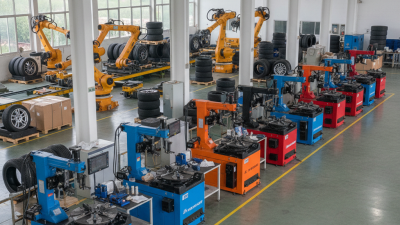
Quality control should continue beyond final assembly. Inspectors can check steel thickness, weld consistency, turntable alignment, air leakage, and clamping force. Calibration records should be available for pressure gauges and torque tools. Each completed machine should pass a documented functional test. Guards, pedals, emergency controls, and packaging deserve the same attention.

A perfect checklist does not exist. I still find gaps between factory documents and actual production habits. Buyers can reduce this risk through video inspections, sample testing, and independent pre-shipment checks. Ask for failed-test records, not only successful results. Honest manufacturers can explain weaknesses and show how they were corrected. That response often reveals more than a polished certificate.

How Global Buyers Can Select the Right Tire Changer Supplier

Choosing the right tire changer supplier requires more than comparing catalog prices. Review the machine type, wheel size range, clamping method, and expected daily workload. A passenger-car workshop needs different equipment from a truck service center. Ask for test videos using low-profile and run-flat tires. Better still, observe a live demonstration. Test it yourself. Listen for motor strain and check whether the bead tool moves smoothly. Small details reveal build quality.

Verify technical documents before discussing payment. A dependable manufacturer should provide manuals, electrical diagrams, safety instructions, and clear warranty terms. Confirm voltage, plug configuration, spare-part availability, and remote support response times. Ask how technicians are trained. Request references from buyers in similar climates and working conditions. Salt air, dust, and unstable power can expose weak designs quickly. Check compliance with applicable market safety requirements through current certificates, not screenshots.

Total cost matters more than the purchase price. Include freight, installation, consumables, training, maintenance, and replacement tooling. Ask whether common parts can be shipped individually. During evaluation, measure cycle time and inspect the turntable, clamps, air lines, and emergency controls. I have seen attractive machines lose value because support was slow. No checklist is perfect. Leave room for honest doubts, and record every promised feature in the contract. A supplier that answers difficult questions clearly is usually easier to trust.