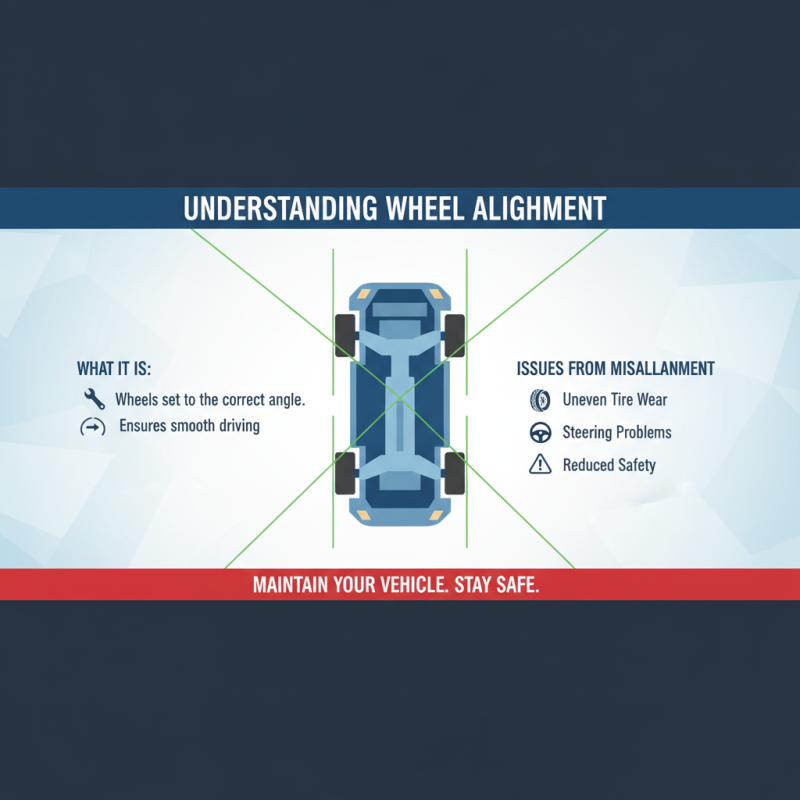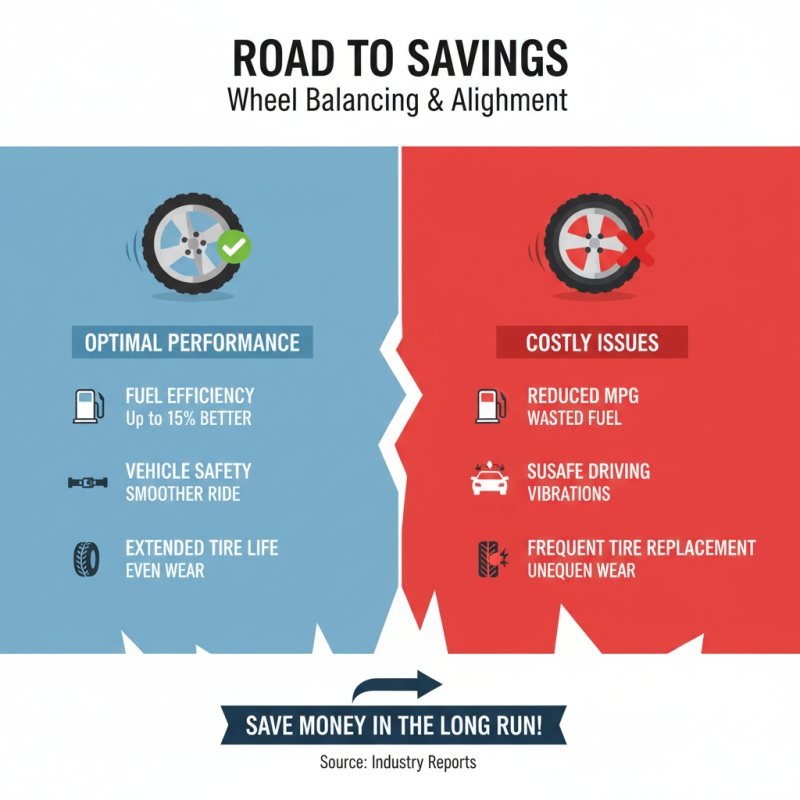
Wheel Balancing and Alignment are crucial for vehicle performance. As Tom Johnson, an expert in automotive maintenance, once said, "Proper alignment and balancing can extend the life of your tires." These processes ensure that the vehicle handles well and drives smoothly. When wheels are misaligned or unbalanced, it leads to uneven tire wear and reduced control.
Vehicle owners often overlook Wheel Balancing and Alignment. They may wait until noticing signs like vibrations or pulling to one side. This reactive approach can lead to costly repairs and safety issues. Regular checks can prevent these problems and enhance driving safety.
Adequate Wheel Balancing and Alignment fine-tune the vehicle's performance. They contribute to better fuel efficiency, handling, and comfort. Ignoring these vital checks could diminish overall driving experience. Investing in these services leads to long-term benefits and a safer ride.
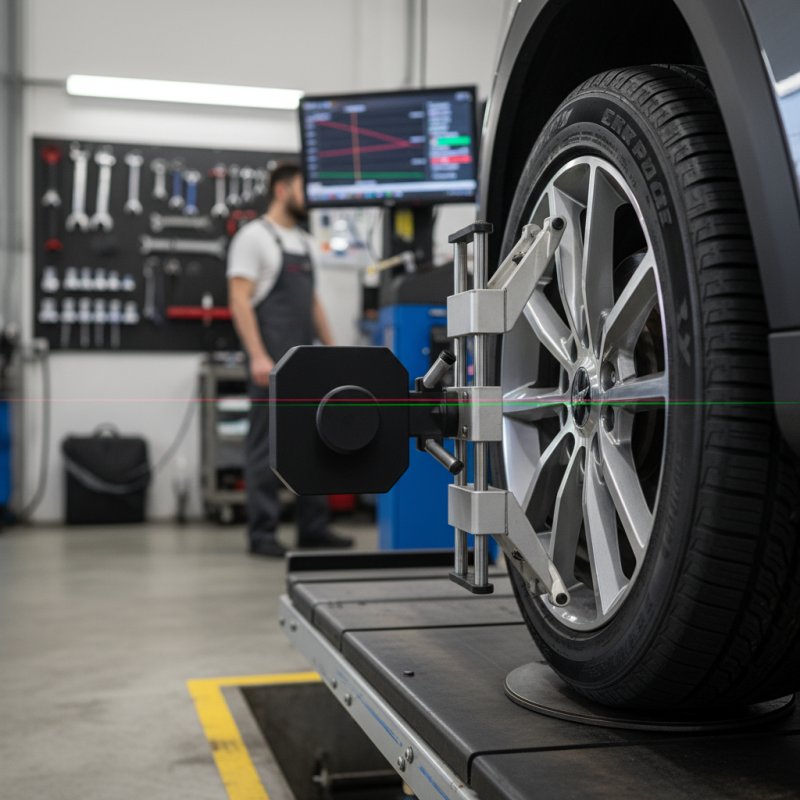
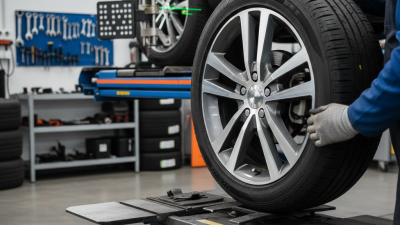
Wheel balancing is essential for your vehicle's performance. It ensures that all tires rotate evenly. An unbalanced wheel can lead to uneven tire wear. This affects your car's handling, making it harder to steer. You may notice vibrations while driving. These vibrations can be annoying, and they can damage your vehicle over time.
During the balancer process, weights are added to the wheel. These weights compensate for any heavy spots. Proper balancing contributes to a smoother ride. It also improves fuel efficiency. However, many drivers overlook this important maintenance task. It often goes unnoticed until a problem arises. You should be scheduling regular checks to avoid bigger issues later.
Many people think that balancing is unimportant. But it plays a significant role in safety. You might find yourself questioning why a simple task is often ignored. Remember, balanced wheels can enhance stability. They provide a better driving experience overall. Don’t let unbalanced wheels jeopardize your safety. Regular wheel balancing is a small step toward maintaining your vehicle.
| Aspect | Description | Importance |
|---|---|---|
| Wheel Balancing | The process of equalizing the weight distribution of a tire and wheel assembly. | Reduces vibrations, improves tire life, and enhances ride comfort. |
| Wheel Alignment | The adjustment of the angles of the wheels to the manufacturer's specifications. | Ensures proper handling, reduces tire wear, and improves fuel efficiency. |
| Symptoms of Imbalance | Vibrations in the steering wheel, uneven wear on tires. | Identifying these symptoms early can prevent further tire damage. |
| Symptoms of Misalignment | Car pulls to one side, uneven tire wear. | Addressing misalignment improves vehicle safety and performance. |
| Recommended Service Frequency | Every 6,000 to 7,500 miles or when noticeable symptoms arise. | Regular checks help maintain optimal vehicle performance and safety. |
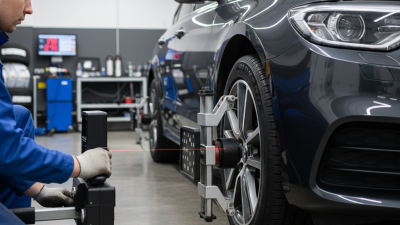
Wheel alignment is a crucial aspect of vehicle maintenance. It ensures that your wheels are set to the right angle. This helps your car drive smoothly. Misalignment can lead to uneven tire wear and steering issues. Over time, it may even affect your safety on the road.
One important tip: regularly check your vehicle’s alignment. If you notice your car pulls to one side, it’s time for an inspection. Pay attention to your tire wear pattern. Uneven wear can signal misalignment. Your tires should wear evenly for optimal performance.
Driver habits matter too. Potholes and curbs can throw your alignment off. Be mindful when driving on rough roads. If alignment issues arise, don’t hesitate to seek professional help. A quick check can save you from costly tire replacements in the long run. Remember, your vehicle's alignment is not just about comfort; it's about safety.
Wheel balancing and alignment are critical to vehicle performance and safety. According to industry reports, improper wheel alignment can lead to a 15% reduction in fuel efficiency. When wheels are not properly balanced, vibrations can cause uneven tire wear. These issues can result in higher long-term costs due to frequent tire replacements.
Maintaining balanced and aligned wheels enhances driving comfort and tire longevity. Studies show that properly aligned wheels can extend tire life by up to 30%. Misalignment doesn't just affect tires; it can impact the entire suspension system. This is a costly oversight that many drivers neglect. Drivers often underestimate the importance of regular inspections.
The benefits of regular wheel balancing and alignment are clear. Not only do they ensure safer driving conditions, but they also improve overall vehicle handling. A little attention can prevent significant issues down the road. Regular maintenance is an investment in safety and performance. Monitoring these elements can drastically improve your driving experience.
Maintaining proper wheel balancing and alignment is crucial for vehicle performance. When these aspects are neglected, drivers may notice several warning signs. If your steering wheel vibrates or pulls to one side, it might indicate a balance issue. Uneven tire wear can also be a sign that your wheels are not aligned correctly. According to industry data, misalignment can reduce tire life by up to 25%. Ignoring these symptoms might lead to costly repairs down the line.
Regular inspections are essential to avoid these problems. One crucial tip is to check your tire pressure monthly, as improper pressure can exacerbate alignment issues. Additionally, if you experience your vehicle drifting or needing constant steering adjustments, it’s time for an evaluation. Modern vehicles should be aligned every two to three years, but factors like road conditions can influence this frequency.
Keep an eye on mileage. According to the Tire Industry Association, each delayed adjustment can result in decreased handling and increased fuel consumption. If your car feels off, don’t hesitate. Early action is always better than waiting. Prioritize your safety and your vehicle’s longevity.
Wheel balancing and alignment are essential for vehicle safety, performance, and longevity. Below is a bar chart that illustrates the common signs that indicate your vehicle may need balancing or alignment. The data reflects the percentage of vehicles experiencing these symptoms based on survey results.
Wheel balancing and alignment are crucial for vehicle performance. Proper balancing helps avoid uneven tire wear. Misalignment can lead to poor handling. Both issues can affect your safety on the road.
To perform wheel balancing, start with removing the wheel. Use a specialized balancing machine to assess any weight discrepancies. Add weights if necessary to ensure an even distribution.
For alignment, check the vehicle’s suspension. Adjust the camber, caster, and toe angles using appropriate tools. This ensures that the tires make contact with the road properly. Remember, achieving perfect alignment can be challenging. Always double-check your adjustments. Small errors can lead to significant issues.