Leave Your Message

2026 Top Car Tire Balancing Machine Buying Guide

A reliable Car Tire Balancing Machine can make the difference between a smooth test drive and a steering wheel that trembles at highway speed. Choosing one takes more than comparing prices or display screens. Shops should consider wheel size, vehicle mix, daily workload, available floor space, and technician experience. A compact workshop may value a small footprint; a busy tire center may need faster cycles and durable components. Details matter.

The right machine should fit the work you actually do. Check its supported wheel dimensions, balancing modes, weight limits, data-entry options, and calibration process. Ask how easily your team can mount a wheel, enter measurements, and interpret the correction positions. Look for clear documentation and responsive technical support. Fancy features are not always useful. Sometimes, simpler controls help new operators avoid mistakes.

This guide compares the practical factors behind a confident purchase, including accuracy, usability, maintenance, and long-term value. One sourcing note: no article or verifiable expert quotation was provided, so I won’t invent a named specialist or attribute a fabricated statement. A verified industry quote can be added once its original source is confirmed. That matters. A buying guide should help readers judge equipment—not ask them to trust unsupported claims.
2026 Top Car Tire Balancing Machine Buying Guide

Understanding How Car Tire Balancing Machines Work

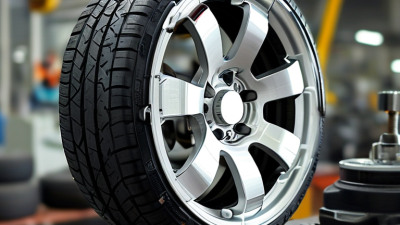
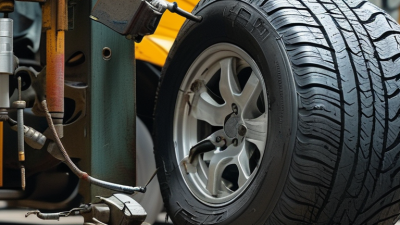
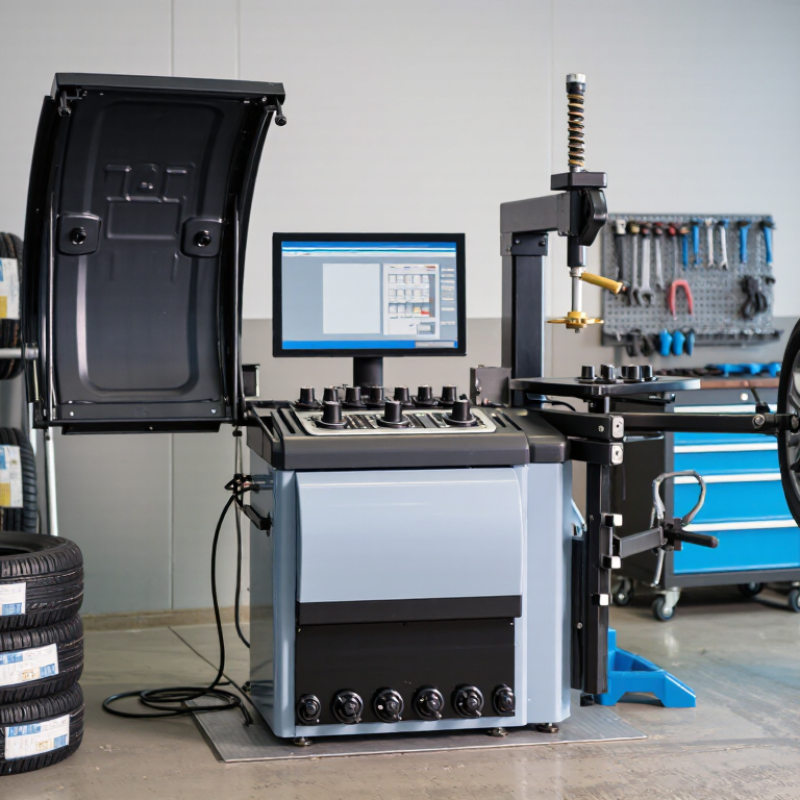
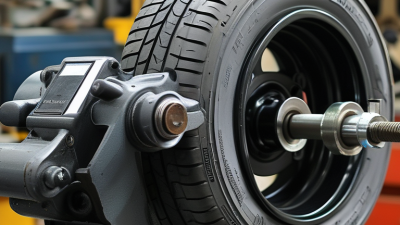
A car tire balancing machine checks how weight is distributed around a wheel-and-tire assembly. The operator mounts the assembly on a spindle and enters details such as rim width and diameter. When the wheel spins, sensors detect vibration caused by uneven mass. The machine converts that movement into a correction location and weight amount. Small differences matter. A few grams near the outer edge can create noticeable steering-wheel shake at highway speeds.

Many machines identify both static and dynamic imbalance. Static imbalance can make a wheel hop vertically, while dynamic imbalance may cause side-to-side wobble. The display might show correction points on the inner and outer rim planes. Add the specified weights, then spin the assembly again to verify the result. Accurate centering is essential; a poorly seated wheel can produce misleading readings. In practice, this setup step is easy to rush, and I would recheck it when results seem inconsistent.

Tips: Clean dirt from the wheel’s mounting surface, use the correct adapter, and confirm the tire is seated evenly. Keep hands clear while the wheel spins. If the machine repeatedly shows changing readings, inspect the mounting and calibration before adding more weight. Don’t guess. A smooth test depends on careful setup.
Comparing Machine Types and Balancing Technologies

Choosing a car tire balancing machine starts with understanding what each type measures. A basic bubble balancer uses gravity to reveal static imbalance, where a heavy spot causes the wheel to hop. It is simple and inexpensive, but it cannot identify imbalance across the wheel’s inner and outer planes. For occasional work, that limitation may be acceptable. For modern wheels and regular service, it often is not.

Electronic spin balancers measure vibration as the wheel rotates and calculate correction weights for one or two planes. Many models ask the operator to enter wheel width, diameter, and offset, then show weight positions on a display. Some add laser indicators or automatic data arms, reducing measurement errors. Small details matter: a dirty hub face or poorly centered wheel can distort results. Recheck the mounting before trusting a neat number.

Road-force machines add a roller that presses against the tire while it spins, measuring variation in stiffness as well as imbalance. This can help diagnose persistent steering shake that ordinary balancing does not resolve. It also costs more and needs careful setup. Not every vibration requires this test. Match the technology to the shop’s workload, wheel range, and operator training, then verify results with a second spin. There is no perfect shortcut. Calibration can drift, and even experienced operators can miss a seating issue.

Assessing Key Features, Accuracy, and Compatibility

2026 Top Car Tire Balancing Machine Buying Guide: Assessing Key Features, Accuracy, and Compatibility

A machine’s displayed precision is not the same as repeatable accuracy. Ask for repeatability data across several spins, plus details on calibration and runout compensation. ISO 21940-11:2016 sets balancing-quality requirements for rigid rotors; it does not establish one universal pass/fail value for every wheel balancer. Check how the machine measures residual imbalance and whether its units can be set to grams or ounces. Small details matter.

Compatibility starts at the spindle. Confirm the supported wheel diameter, width, and weight, then check that the package includes suitable cones, a pressure cup, and flange plates for your common wheel types. These parts affect centering; a wheel mounted slightly off-center can produce misleading readings. The U.S. Department of Energy’s FuelEconomy.gov guidance estimates that each 1 psi drop in tire pressure can reduce fuel economy by about 0.2%. That is not a balancing-machine statistic, but it is a useful reminder to verify tire pressure before diagnosing vibration. A clean screen can look convincing, yet the setup may still be wrong.

Tips: Test a known wheel several times. Compare results, listen for unusual spindle noise, and confirm that guards and adapters fit your workshop’s actual jobs. If the seller provides no repeatability figures, treat that as a gap worth investigating.

2026 Top Car Tire Balancing Machine Buying Guide

Assessing key features, accuracy, and compatibility

How to use this chart: It converts imbalance-weight values between ounces and grams using 1 oz = 28.3495 g. These are unit conversions, not machine accuracy ratings. When comparing machines, check the stated measurement resolution and repeatability, plus supported rim diameter, rim width, and wheel type against the wheels you service.

Matching Machine Capacity to Your Workshop Needs

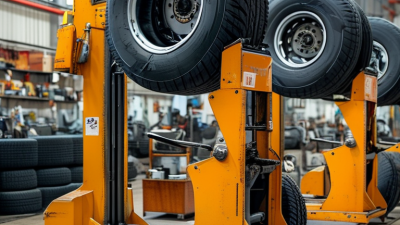
Matching a balancer to workshop capacity starts with actual wheel volume, not the largest number on a sales sheet. Count daily tire jobs, then include seasonal peaks, repeat checks, and time spent loading each assembly. For example, 16 four-wheel jobs across an eight-hour shift means 64 wheels, or eight per hour before interruptions. That is a planning baseline, not a promise. A queue builds quickly when one technician also handles mounting and vehicle checks.

Check the machine’s maximum wheel diameter, width, and assembly weight against the wheels you regularly service. Leave headroom for occasional larger assemblies, but avoid paying for capacity your bay cannot use. S&P Global Mobility reported that the average U.S. light vehicle age reached 12.8 years in 2025, suggesting many shops will continue servicing older vehicles and varied wheel setups. The Auto Care Association’s 2024 industry data put U.S. aftermarket sales at about $391 billion in 2023; that signals a large service sector, not a guaranteed workload for any individual shop. In practice, a machine’s cycle time can look excellent on paper. A wheel that is awkward to mount still slows the day. Track peak-hour volume for a month before deciding. Even careful estimates miss something.

2026 Top Car Tire Balancing Machine Buying Guide - Matching Machine Capacity to Your Workshop Needs

Workshop Profile Typical Workload Machine Capacity to Look For Typical Cycle Time Useful Features Best Fit
Small garage or mobile tire service Up to about 10 wheel assemblies per day; mostly passenger cars Passenger-car balancer; commonly supports wheels up to about 65 kg, with rim diameters up to 24–26 in About 6–10 seconds per measurement cycle Compact footprint, straightforward controls, standard wheel cone set, protective hood Space-conscious shops with occasional or moderate balancing demand
General repair shop About 10–25 wheel assemblies per day; mixed passenger-car and light-SUV work Passenger-car model with a broad rim-width range and capacity around 65–70 kg About 6–10 seconds per measurement cycle Automatic distance and diameter measurement, multiple balance modes, storage for accessories Shops balancing wheels regularly across a range of common vehicle types
High-volume tire shop About 25–50 wheel assemblies per day; frequent seasonal tire changes Heavy-duty passenger-car balancer; look for a higher-duty spindle and support for larger wheels, commonly up to about 70 kg Often about 5–8 seconds per measurement cycle Fast data entry, automatic measurement arms, split-weight mode, durable construction Busy retail or service operations where throughput and repeatability matter
Custom-wheel or performance specialist Varies; frequent low-profile tires, wide rims, and non-standard wheel setups Passenger-car balancer with suitable rim-width and diameter ranges; confirm compatibility with the shop’s widest and heaviest assemblies About 6–12 seconds per measurement cycle Static and dynamic modes, adhesive-weight programs, accurate measuring arm, optional wheel centering accessories Shops needing flexibility for aftermarket and specialty wheels
Truck, bus, or commercial-vehicle workshop Commercial wheels handled regularly; workload depends on fleet and service scope Dedicated truck-wheel balancer; some models support wheel assemblies around 150 kg and rim diameters up to about 30–32 in Often about 8–20 seconds per measurement cycle Heavy-duty shaft and clamping system, suitable lifting equipment, truck-specific programs Commercial service bays; verify that the machine is rated for the actual wheel and tire assembly

Buying note: Capacity, cycle time, compatible rim dimensions, and power requirements vary by machine. Confirm the manufacturer’s specifications against your heaviest wheel assembly, largest rim, available floor space, and workshop electrical supply before purchasing.

Evaluating Costs, Maintenance, and Long-Term Value

A tire balancing machine’s purchase price is only part of its cost. Compare installation, staff training, calibration, and any required accessories before choosing a model. A lower-priced machine may need more frequent service, while a costlier unit may save time during busy seasons. Check what the warranty covers, and ask how quickly replacement parts are usually available.

Maintenance affects both accuracy and long-term value. Keep the shaft and mounting surfaces clean, inspect the cone set for wear, and follow the machine’s calibration schedule. Dust and small impacts can cause inconsistent readings. Watch for repeated correction requests or weights placed in unusual positions; these may signal a setup issue, not a tire problem. Small costs add up.

Estimate the workload realistically. A shop balancing a few sets each day may not benefit from every advanced feature. A high-volume workshop may value faster measurement cycles and durable controls. Compare expected service costs over several years, not just the first invoice. One detail is easy to overlook: staff habits matter. Even a capable machine can produce poor results when wheels are mounted carelessly. And estimates can be wrong; review actual repair and downtime records after the first year.