What Is a Car Balancing Machine and How Does It Work?
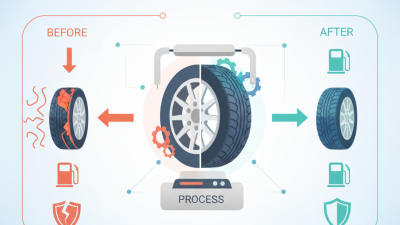
A Car Balancing Machine is more than a spinning stand in a tire workshop. It is a precision instrument that detects uneven weight around a wheel and tire assembly. When imbalance exists, the machine measures its position and severity. The technician then adds small correction weights to the rim. This process helps reduce vibration, steering shake, uneven tread wear, and unnecessary stress on suspension components.
As Hunter Engineering technical trainer Mark Buckner explains, “A wheel balancer is only as accurate as the technician’s setup.” That observation deserves attention. The machine cannot correct a poorly mounted wheel, incorrect tire pressure, damaged rim, or loose adapter. A clean shaft matters. Correct cone selection matters. Even a small layer of mud behind the wheel can affect the reading. The display may look highly precise, but precision depends on human judgment.
This guide examines what a Car Balancing Machine does and how it works in practical conditions. It will follow the wheel’s rotation, sensor readings, balancing modes, and weight placement. You will also see why technicians sometimes repeat a measurement. Real workshops are not perfectly controlled spaces. Rims may have hidden damage. Tires may not seat evenly. Some readings still require careful interpretation.
The goal is not to make balancing sound mysterious. It is to explain the process clearly, while recognizing its limits. Good equipment helps. Skilled hands remain essential.
What Is a Car Balancing Machine?
What Is a Car Balancing Machine?
A car balancing machine is a workshop device that checks whether a wheel and tire rotate evenly. It identifies uneven weight around the assembly. This matters because even a small imbalance can create steering vibration, uneven tread wear, and extra suspension stress.
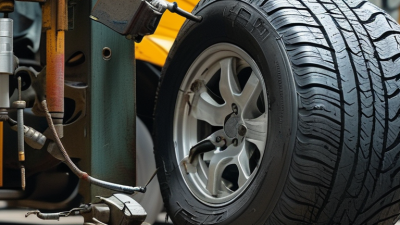
The machine mounts the wheel on a spindle, then spins it at a controlled speed. Sensors measure vibration and calculate the imbalance’s position and amount. The display may show where to attach a small wheel weight. A technician then installs the weight and repeats the test. The goal is not merely a quiet ride. It is stable rotation across different driving speeds.
There are two common measurements. Static balancing detects imbalance across one central plane. Dynamic balancing checks both inner and outer planes, making it more suitable for modern wheels. A small weight matters. The U.S. National Highway Traffic Safety Administration estimates that tire-related problems contribute to about 11,000 crashes each year in the United States. That figure does not mean balancing prevents every tire incident, but it shows why tire maintenance deserves attention. Professional training guidance from the tire service industry also emphasizes correct mounting, inflation, and inspection before balancing.
The process is precise, but not flawless. Dirt on the rim, incorrect tire seating, worn suspension parts, or poor calibration can distort readings. Experienced technicians should verify the result, not trust the screen blindly. That human check is sometimes overlooked.
What Is a Car Balancing Machine and How Does It Work?
A car balancing machine spins a wheel and tire assembly, measures vibration caused by uneven mass distribution, and identifies where correction weights should be installed. The chart shows the calculated centrifugal force produced by a 10-gram imbalance located 0.20 meters from the wheel’s rotation axis at different speeds.
Main Components of a Car Balancing Machine
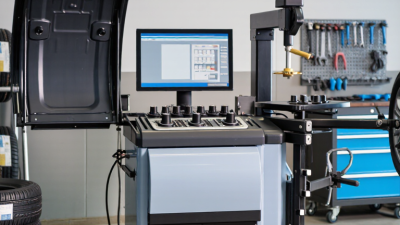
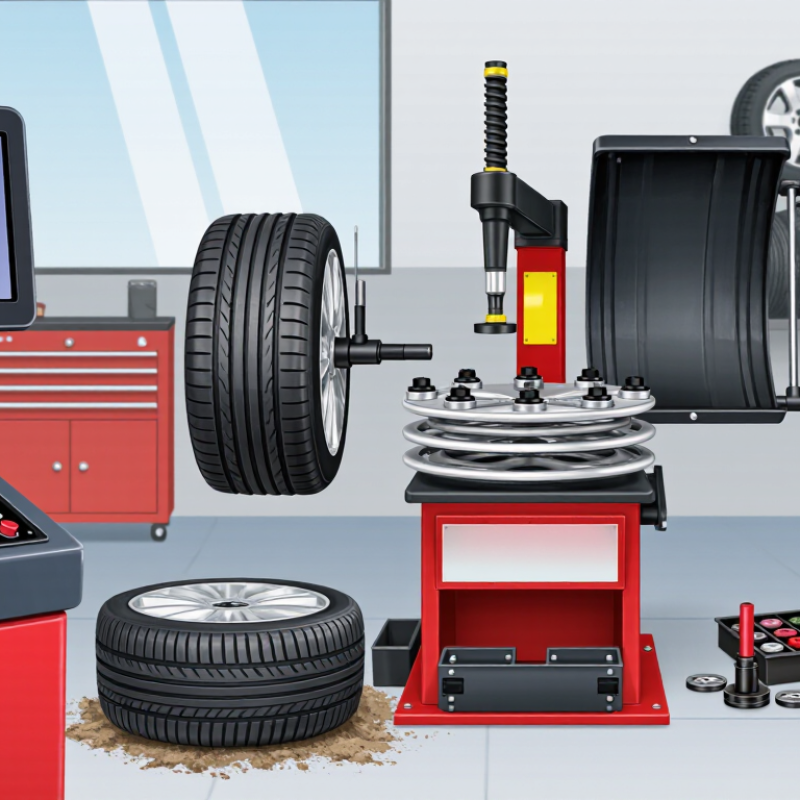
A car balancing machine identifies uneven weight distribution in a wheel and tire assembly. In a workshop, the process starts with a strong spindle, which holds the wheel securely. A centering cone or adapter keeps the wheel aligned with the machine’s rotation axis. Small alignment errors can affect the result, even when the wheel looks centered.
The electric motor spins the assembly at a controlled speed. While it rotates, vibration sensors detect force changes around the wheel. An optical or electronic position sensor records the exact location of the imbalance. These components work together, rather than separately. The control unit processes their signals and calculates where correction weights should be placed. A clear display then shows the correction amount for the inner and outer wheel planes.
The machine’s shaft, bearings, and locking system also matter. Worn bearings may create false readings. A protective guard improves operator safety during high-speed rotation. Many machines include an automatic brake, which stops the wheel at the correction position. In practical use, technicians should clean the rim and check the adapter before testing. Dirt can imitate an imbalance. Calibration is also essential, although it is sometimes treated as a minor task. No machine is perfectly independent. Its accuracy depends on setup, maintenance, and careful judgment.
How a Car Balancing Machine Measures Imbalance
What Is a Car Balancing Machine and How Does It Work?
How a Car Balancing Machine Measures Imbalance
A car balancing machine detects uneven weight around a wheel and tire assembly. The operator mounts the wheel on a rotating spindle and secures it with the correct adapter. Small errors here can affect the reading. The machine then spins the assembly at a controlled speed. Sensors monitor vibration and measure the forces created during rotation. These forces reveal both the amount and position of imbalance.
The system compares the wheel’s rotational movement with sensor signals. It calculates where the assembly is heavy or light. A display usually identifies the inner and outer correction points. It also shows the required weight, often in precise gram values. The operator marks these positions and attaches suitable weights to the rim. After correction, the wheel spins again for verification. A properly balanced result should produce minimal residual force.
Accurate measurement depends on preparation. Tire pressure must match the service specification, and mud or stones should be removed from the tread. The hub and mounting surfaces also need cleaning. A bent rim or damaged tire can confuse the diagnosis. Calibration matters too, although it is sometimes overlooked during busy workshop hours. In my experience, repeating the spin after a small correction prevents avoidable mistakes. No machine replaces careful judgment. Sensor readings are powerful, but they still require interpretation. Otherwise, a technician may correct the wrong problem and leave the vehicle with steering vibration.
Common Wheel Balancing Methods and Applications
What Is a Car Balancing Machine and How Does It Work?
A car balancing machine detects uneven weight around a wheel and tire assembly. The operator mounts the wheel, enters its dimensions, and spins it at controlled speed. Sensors measure vibration and locate heavy points. The machine then recommends corrective weights for the inner and outer rim surfaces.
This is dynamic balancing, the most common workshop method.
Static balancing is simpler. It corrects vertical imbalance on one plane, but it may miss side-to-side vibration.
Road-force balancing applies a loaded roller against the tire. It measures stiffness differences and simulates real road pressure. This method helps diagnose tire uniformity, rim distortion, or poor bead seating.
The applications are practical. Dynamic balancing suits routine tire installation and rotation. Static balancing can support narrow wheels or older assemblies. Road-force testing is valuable when vibration remains after ordinary balancing.
According to ISO 21940-11, balancing quality depends on speed, tolerance, and rotating-part mass. Technicians should follow those controls, not trust the display blindly.
NHTSA reports that tire-related crashes cause about 660 deaths and 33,000 injuries annually in the United States. Correct balancing cannot prevent every failure, but it supports stable contact and predictable handling. It may also reduce irregular tread wear.
The machine is not magic. A bent rim, incorrect pressure, or damaged tire can imitate imbalance. I have seen this diagnosis delayed when technicians replace weights repeatedly instead of checking the assembly. That deserves more attention.