Leave Your Message

China Top Car Washing Scissor Lift Manufacturer?

China has become a major manufacturing base for vehicle service equipment, including the Car Washing Scissor Lift. Its advantages include mature metalworking supply chains, competitive production costs, and broad export experience. However, price alone cannot prove manufacturing quality.

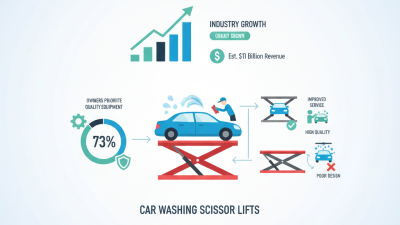
Grand View Research estimates that the global car wash services market was worth approximately USD 35 billion in 2023. Its report also expects continued growth through 2030, driven by urbanization, vehicle ownership, and professional cleaning demand. This growth increases pressure on workshops to improve speed, drainage, operator safety, and equipment reliability.

The figures are useful. They are not perfect.

A suitable Car Washing Scissor Lift must support the vehicle securely during washing, inspection, and underbody cleaning. Buyers should examine rated capacity, lifting height, platform length, hydraulic protection, corrosion resistance, and emergency lowering systems. Certification and documented factory testing also deserve close attention. The Automotive Lift Institute emphasizes third-party certification as an important safety safeguard for vehicle lifts.

R.W. “Bob” O’Gorman, a recognized vehicle-lift safety specialist and former Automotive Lift Institute president, stated, “A lift is only as safe as the people using it.” That principle applies strongly in wet wash bays, where slippery floors, chemical exposure, and rushed work can create practical risks.

A reliable Chinese manufacturer should provide load-test records, installation guidance, maintenance schedules, spare-parts support, and clear technical drawings. Factory visits can reveal details that brochures hide, such as weld consistency, hose routing, and paint thickness. Some suppliers may look similar online. Their engineering discipline may not be similar.

This guide examines how to identify China’s top Car Washing Scissor Lift manufacturer through product design, compliance evidence, factory capability, after-sales service, and real operating performance.
China Top Car Washing Scissor Lift Manufacturer?

What Is a Car Washing Scissor Lift?

China Top Car Washing Scissor Lift Manufacturer?

What Is a Car Washing Scissor Lift?

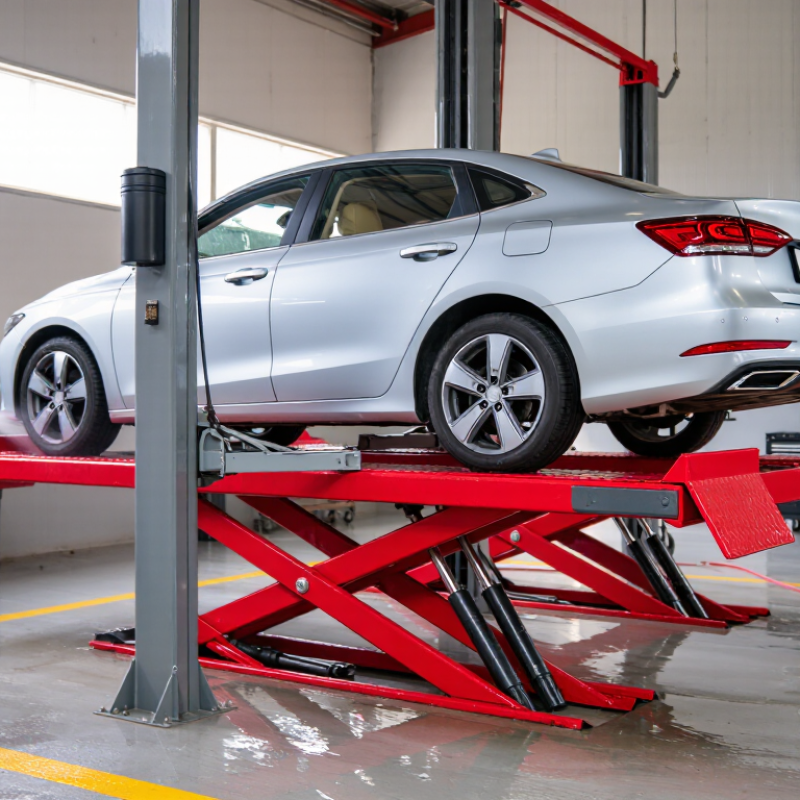
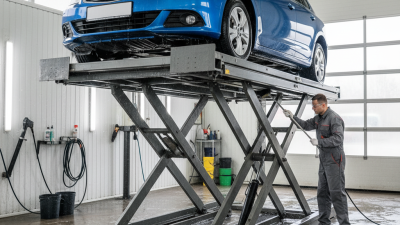
A car washing scissor lift is a hydraulic platform that raises a vehicle for safer cleaning underneath. Its crossed steel arms move vertically beneath the platform. In a wash bay, technicians can reach chassis rails, wheel wells, and suspension areas without kneeling on wet concrete. Some models include drainage gaps, anti-slip platforms, wheel stops, and emergency lowering systems. These details matter more than appearance.

The lift must match the vehicle’s weight, wheelbase, and underside clearance. A typical automotive unit may provide 1,500 to 4,000 kilograms of rated capacity, depending on its structure and application. The International Organization for Standardization’s ISO 16368 standard addresses mobile elevating work platform design principles, while local safety rules govern installation and operation. Operators should inspect hydraulic hoses, locking devices, anchors, and platform movement before each shift. Small leaks become serious problems in water-rich environments.

Market demand is also growing. Fortune Business Insights reports that the global car wash services market was valued at about 34.73 billion dollars in 2024. More professional wash facilities will require reliable lifting equipment. However, higher demand can encourage rushed purchasing. A lift that looks adequate on paper may still suffer from poor drainage or corrosion protection. That is where technical drawings, load testing, and service records deserve careful review.
How to Evaluate Chinese Scissor Lift Manufacturers

China Top Car Washing Scissor Lift Manufacturer?

China’s vehicle market creates strong demand for professional workshop equipment. The China Association of Automobile Manufacturers reported 31.44 million vehicle sales in 2024, including 12.87 million new-energy vehicles. This growth increases the need for reliable washing and maintenance lifts. However, production volume does not prove engineering quality.

How should buyers evaluate Chinese scissor lift manufacturers? Start with factory evidence, not attractive catalogs. Request load-test records, welding inspection procedures, hydraulic schematics, and serial-number traceability. A serious supplier should explain its design against ISO 12100 safety principles and EN 1493 vehicle-lift requirements. Check platform deflection, mechanical locks, emergency lowering, hose-burst protection, and corrosion resistance. These details matter in wet washing bays. They are easy to overlook.

Tips: Audit the factory through live video or an independent inspector. Ask for a test using your vehicle’s real wheelbase and weight. Confirm whether rated capacity includes accessories and fluids. Review spare-part availability, technician training, warranty exclusions, and response times. The 2024 CAAM figures show a large market, but market size can hide uneven quality. I would not rely on ISO 9001 alone; it supports process control, not lift performance. A sample unit may also perform well while later batches vary, so insist on batch records and acceptance testing.

How to Evaluate Chinese Scissor Lift Manufacturers

Use these practical evaluation weights when comparing manufacturers of car-washing scissor lifts. The framework emphasizes safety, compliance, durability, and after-sales support rather than brand names.

The percentages represent a structured purchasing framework totaling 100%. Confirm each item through technical documents, factory audits, product testing, and customer references before making a final decision.

Key Features of a Top Car Washing Scissor Lift

China Top Car Washing Scissor Lift Manufacturer?

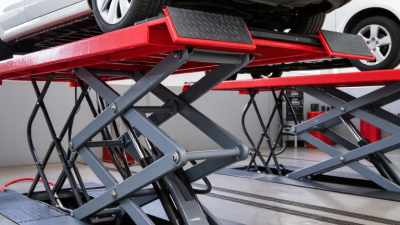
A top car washing scissor lift needs a rigid platform, stable lifting arms, and accurate height control. These features help technicians reach wheels, sills, and underbody areas safely. A strong steel frame resists twisting during repeated washing cycles. Anti-slip platforms are also important when water, foam, and mud cover the surface.

Reliable hydraulic systems should lift smoothly and hold the vehicle steadily. Mechanical safety locks provide added protection if pressure changes unexpectedly. Operators should check lock engagement before entering the working area. Practical experience shows that poor drainage can damage components over time. A well-designed lift should include drainage paths and protected hydraulic parts.

Ease of maintenance matters in busy washing centers. Removable covers, accessible grease points, and clear inspection areas reduce service delays. Emergency stop controls should be easy to reach, even with wet gloves. Load capacity must match the vehicle types being serviced, not just average cars. No lift is perfect. Some platforms may still collect dirt around hinges. Regular cleaning remains necessary. Clear installation instructions, testing records, and responsive technical support also indicate a dependable manufacturer. Each unit should be inspected after installation, because small alignment errors can affect long-term performance.

Safety Standards and Maintenance Requirements

China Top Car Washing Scissor Lift Manufacturer?

Safety Standards and Maintenance Requirements

A reliable car washing scissor lift must meet applicable vehicle-lift standards, including ANSI/ALI ALOIM requirements for operation, inspection, and maintenance. OSHA also requires machine guarding, operator training, and safe maintenance procedures. The U.S. Bureau of Labor Statistics recorded 885 fatal work injuries involving falls, slips, and trips in 2023. This figure covers many industries, but it shows why platform stability cannot be treated as a minor detail.

Before each shift, inspect hydraulic hoses, cylinder seals, locking devices, pivot pins, guardrails, and emergency lowering controls. Check the platform for oil, detergent, and loose tools. Water can hide small leaks. Chemical residue can accelerate corrosion around welds and electrical connections. The rated load must include the vehicle, occupants, and equipment. Never exceed it. Keep the lift level, follow the manufacturer’s operating manual, and restrict access to trained operators. Shortcuts happen.

A monthly inspection should document fluid levels, structural cracks, abnormal movement, and damaged wiring. Maintenance personnel should isolate energy sources under OSHA 29 CFR 1910.147 before repairs. The lift should also receive a competent-person examination at intervals required by local rules and the equipment manual. A credible manufacturer should provide load data, inspection points, replacement-part specifications, and emergency procedures. No checklist catches every failure. Review inspection records after unusual noise, uneven lifting, or repeated hydraulic pressure loss. Depth matters more than a polished brochure.

China Top Car Washing Scissor Lift Manufacturer? - Safety Standards and Maintenance Requirements

Evaluation Dimension Applicable Standard or Reference Verified Requirement Recommended Evidence Maintenance Requirement
Rated lifting capacity EN 1493:2010; applicable local lifting-equipment regulations The safe working load must be clearly marked and must include the vehicle, occupants, tools, and any equipment placed on the platform. Load plate, technical file, rated-load test record, and installation documentation. Do not exceed the rated load. Stop operation if the load plate is missing, damaged, or unreadable.
Platform stability and vehicle positioning EN 1493:2010; manufacturer installation instructions The lift should resist instability caused by vehicle loading, unloading, uneven weight distribution, and normal operating forces. Stability calculations, anchoring details, platform dimensions, wheel-stop design, and commissioning report. Inspect wheel stops, approach ramps, anchor points, and platform deformation before each operating shift.
Mechanical locking system EN 1493:2010; applicable machinery-safety requirements A positive mechanical restraint or equivalent safety system should prevent unintended descent when the platform is raised. Locking-system drawings, functional test procedure, and inspection records. Test the locks at the frequency specified by the manufacturer. Never rely only on hydraulic pressure to support a raised vehicle.
Hydraulic circuit safety EN 1493:2010; ISO 4413 hydraulic-system principles Hydraulic hoses, fittings, cylinders, valves, and overpressure protection must be suitable for the rated load and operating environment. Hydraulic schematic, component specifications, pressure-test record, and leakage inspection report. Check for leaks, hose abrasion, cracked fittings, abnormal noise, and pressure loss. Replace damaged hydraulic parts immediately.
Emergency lowering and recovery Applicable machinery-safety requirements; manufacturer service instructions The lift should provide a controlled method for lowering or recovering the platform during power loss or control-system failure. Emergency procedure, accessible release controls, operator training record, and functional test results. Test the emergency function during scheduled inspections and keep the release area unobstructed.
Control-panel protection IEC 60204-1; IEC 60529 Electrical controls must be protected against water ingress, corrosion, accidental operation, and electrical hazards appropriate to the installation. Electrical drawings, protective-device specifications, enclosure ingress-protection rating, and electrical test records. Keep control boxes closed and dry. Inspect cable glands, connectors, emergency-stop devices, and insulation condition regularly.
Wet-area and corrosion resistance IEC 60529; site electrical and corrosion-control requirements Materials, coatings, fasteners, and electrical enclosures should be selected for frequent water, detergent, dirt, and chemical exposure. Material certificates, coating specifications, drainage design, and corrosion-resistance inspection records. Rinse chemical residues, remove standing water, clear drains, and repair coating damage before corrosion spreads.
Anti-entrapment protection EN 1493:2010; applicable machinery-safety requirements The design should minimize crushing and shearing hazards around the scissor mechanism and provide appropriate guarding or safe clearances. Risk assessment, guarding drawings, warning labels, and operator safety instructions. Keep personnel clear of moving parts. Inspect guards, warning labels, and access barriers for damage or removal.
Limit switches and emergency stop IEC 60204-1; applicable machinery-safety requirements Upper and lower travel limits, emergency-stop controls, and other safety-related controls must function reliably and be accessible to operators. Electrical control schematic, safety-function test sheet, and commissioning checklist. Perform a functional check before use and after electrical or hydraulic maintenance. Do not bypass safety devices.
Slip and drainage control Site risk assessment; applicable workplace-safety requirements Platform surfaces, ramps, and surrounding floors should provide suitable traction and effective drainage for wet car-washing operations. Floor-gradient and drainage plan, anti-slip surface specification, and housekeeping procedure. Remove mud, foam, oil, and loose debris promptly. Repair damaged anti-slip surfaces and prevent blocked drains.
Lubrication and moving joints Manufacturer maintenance manual; ISO 12944 coating considerations where relevant Pins, bushings, rollers, hinges, and other moving components must use lubricants compatible with the environment and component materials. Lubrication chart, approved lubricant specification, and service log. Lubricate according to the service schedule, clean grease points before application, and investigate excessive play or unusual movement.
Routine inspection frequency Manufacturer instructions; local occupational-safety regulations Inspection intervals must reflect operating frequency, wet or corrosive exposure, loading conditions, and local legal requirements. Documented daily, weekly, monthly, and periodic inspection schedules. At minimum, perform a pre-use visual and functional check; use qualified personnel for periodic inspections and repairs.
Proof testing and commissioning EN 1493:2010; local authority or inspection-body requirements The installed lift should be commissioned, tested, and accepted before regular operation, including safety functions and rated-load performance. Commissioning certificate, load-test report, installation checklist, and operator handover record. Repeat testing after major repair, relocation, structural modification, or any event that may affect safety.
Operator training and documentation Applicable workplace-safety regulations; manufacturer operating manual Operators must understand load limits, vehicle positioning, exclusion zones, emergency procedures, and shutdown requirements. English operating manual, risk assessment, training materials, and signed training records. Retrain operators after design changes, incidents, unsafe operation, or extended periods without use.

Note: Final compliance depends on the lift design, installation conditions, country-specific legislation, and the manufacturer’s approved instructions. Local statutory requirements take precedence where they are more stringent.

How to Choose the Right Manufacturer for Your Business

China Top Car Washing Scissor Lift Manufacturer?

How to Choose the Right Manufacturer for Your Business

Choosing a car washing scissor lift manufacturer requires more than comparing prices. Start with your daily workload, vehicle sizes, bay dimensions, and floor conditions. A lift rated for 3.5 tons may not suit frequent commercial use. Leave a safety margin.

Ask the manufacturer for load-testing records, hydraulic system details, installation drawings, and maintenance instructions. Check whether the platform resists water, detergent, and rust. Drainage matters. Poor drainage can turn a clean wash bay into a slippery repair problem. An experienced manufacturer should explain lifting height, platform width, locking systems, and emergency lowering procedures in clear terms.

Visit the factory virtually or in person when possible. Look at welding quality, surface treatment, assembly procedures, and final testing. Request references from businesses with similar vehicle traffic. Service support is equally important. Confirm spare-part availability, response times, technician training, and warranty conditions before signing an order. Do not rely on attractive photographs alone. Photos can hide uneven welds or weak finishing.

A low quotation may exclude delivery, installation, or electrical adjustments. That mistake becomes expensive later. I would also ask for a sample inspection report and a written acceptance checklist. Even careful buyers can overlook local floor limits or unusual vehicle lengths. Discuss those risks early. A reliable manufacturer welcomes practical questions and documents each technical promise.